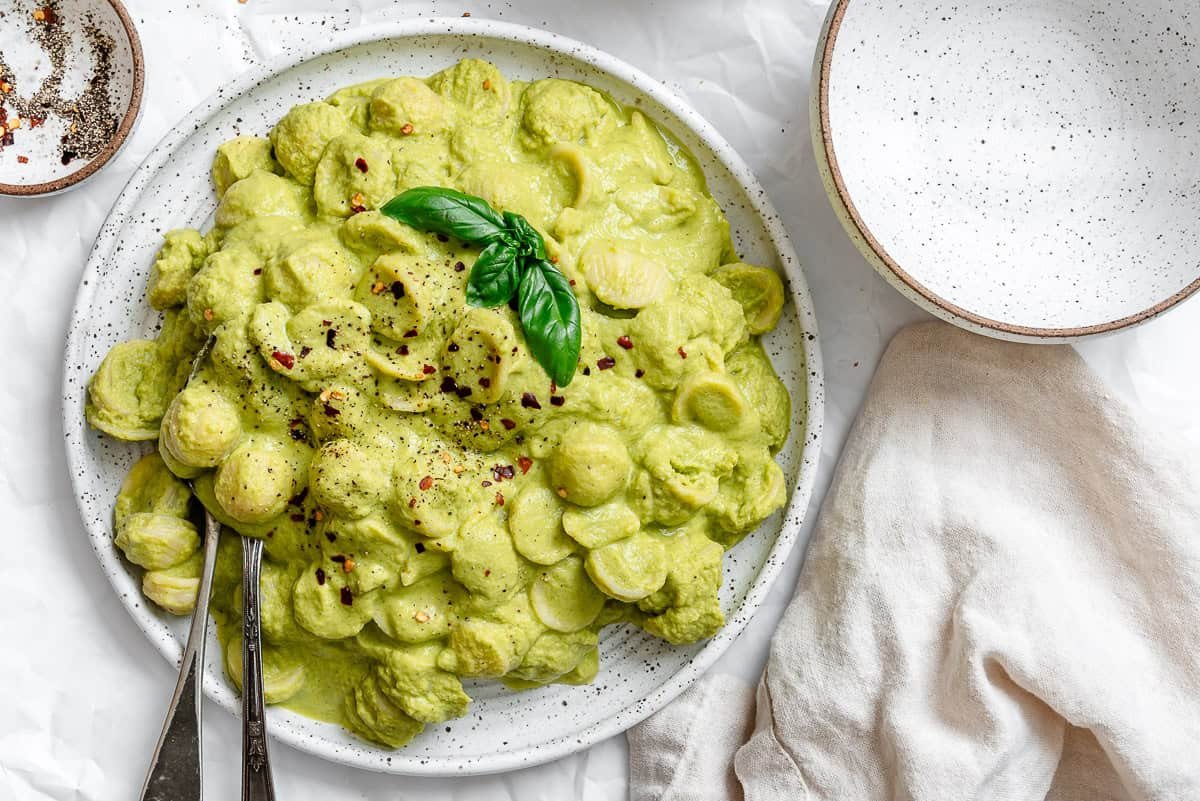
Do you ever find yourself staring at a bunch of broccoli wondering how to turn it into something memorable? Broccoli Pasta Sauce is the perfect way to do just that. This creamy, vibrant sauce brings out the natural sweetness of broccoli, yielding flavors that are both satisfying and delicious. It makes for a fantastic weeknight meal, pairing wonderfully with your favorite pasta, and can easily impress guests without much fuss.
Many people shy away from cooking with broccoli because they fear it can turn mushy or lose its flavor. This recipe counters that concern by using just the right techniques to keep the broccoli bright, fresh, and full of life. Plus, it’s a wonderful way to sneak some veggies into family meals. Trust me, you’ll be surprised how easy the steps are to follow!
Why You Should Make This Recipe
• This recipe takes only 30 minutes to prepare, making it perfect for busy weeknights.
• It is easy to make, suitable for beginner cooks and seasoned chefs alike.
• The vibrant flavors and textures make every bite a delight for your taste buds.
• It features wholesome ingredients that align well with a balanced diet.
• You can easily customize it to suit your personal preferences or dietary needs.
• The strong nutritional profile ensures you’re fueling your body with goodness.
• Most importantly, the combination of flavors and simplicity guarantees that everyone at the table will love it.
Recipe Highlights
| Prep time | – |
| Cook time | – |
| Total time | – |
| Servings | – |
| Calories per serving | – |
| Difficulty | – |
| Cuisine | – |
| Course | – |
| Diet tags | – |
| Best time to eat | – |
| Main flavor notes | – |
Ingredients
– 2 cups broccoli florets
– 3 cloves garlic, minced
– 1 medium onion, diced
– 1 can (14 ounces) diced tomatoes
– 1 tablespoon olive oil
– 1 teaspoon salt
– 1/2 teaspoon black pepper
– 1/2 teaspoon red pepper flakes (optional)
– 1/4 cup nutritional yeast (optional)
– 1/2 cup vegetable broth (optional)
Equipment Needed
How to Make Broccoli Pasta Sauce
-
Begin by preparing the broccoli. Rinse it thoroughly under cold water and chop it into small florets, ensuring they’re roughly the same size for even cooking.
-
In a large pot, bring water to a boil and add a pinch of salt. The water should smell slightly salty as it’s coming to a boil.
-
Add the broccoli florets to the boiling water. Boil for 3 to 5 minutes until the broccoli is bright green and tender but still slightly firm to the bite. This ensures the sauce retains a vibrant color.
-
Drain the broccoli and immediately transfer it to an ice bath or run it under cold water. This stops the cooking process and helps maintain the vibrant green color.
-
In a blender or food processor, combine the cooled broccoli, garlic, olive oil, lemon juice, salt, and pepper. Blend until smooth, adjusting the consistency with a little reserved pasta water if needed.
-
Taste the sauce and adjust seasoning as desired. The sauce should have a fresh, garlicky scent and a creamy texture.
-
Cook your pasta according to package instructions in a separate pot of salted boiling water. Aim for al dente, where the pasta is cooked through but still firm to the bite.
-
Once the pasta is cooked, reserve about half a cup of the pasta water and then drain the pasta.
-
In a large mixing bowl, combine the pasta and broccoli sauce, tossing until the pasta is well coated. If the sauce is too thick, add a bit of the reserved pasta water until you reach your preferred consistency.
-
Serve immediately, garnishing with fresh herbs or grated cheese if desired. The sauce should be smooth and creamy, and the pasta should look glossy.
-
If not serving right away, allow the pasta and sauce mixture to cool before storing. Refrigerate in an airtight container for up to 3 days.
-
When reheating, ensure the pasta reaches a safe temperature of 165°F to prevent any food safety issues.
Essential Cooking Tips for Better Results
1. Measure accurately with dry and wet measuring cups to ensure correct ingredient ratios and prevent recipe failure.
2. Allow ingredients to reach room temperature before mixing, as this helps them combine more easily, especially with eggs and dairy.
3. For optimal texture in baked goods, sift flour and other dry ingredients to aerate them, resulting in a lighter outcome.
4. Taste your dish as you cook and adjust seasoning gradually to achieve flavor balance, particularly with salt, acid, and sweeteners.
5. Let meat rest after cooking to allow juices to redistribute, preventing dryness and enhancing flavor.
6. Use a thermometer to check doneness, especially for meats, rather than relying solely on cook times for perfect results.
7. Control moisture levels by patting proteins and vegetables dry before cooking to achieve a better sear and prevent steaming.
Dietary Variations and Substitutions
• For gluten-free, use almond flour or coconut flour in place of all-purpose flour
• For a vegan option, substitute eggs with applesauce or flaxseed meal mixed with water
• To make the recipe dairy-free, replace butter with coconut oil or vegan butter
• Use nutritional yeast as a cheese substitute for a dairy-free and vegan option
• For a low-carb diet, replace sugars with erythritol or monk fruit sweetener
• Add chia seeds or hemp seeds for an extra boost of nutrition without altering the taste
• To enhance flavor in a vegan version, use liquid smoke or smoked paprika instead of meat-based broth
• For a nut-free alternative, substitute nut milk with oat milk or soy milk
Serving Ideas for Your Recipe
For a delightful dining experience, consider serving your dish alongside a fresh garden salad dressed with a light vinaigrette. This adds a crisp contrast and enhances the overall meal with vibrant colors and textures.
Best enjoyed warm, your recipe would shine when plated with a side of roasted seasonal vegetables. This not only complements the main flavors but also adds a nutritious touch to the meal.
Pair your dish with a fluffy grain like quinoa or couscous to round out the meal. The nutty flavors and tender texture of these grains harmonize beautifully with the main dish, making every bite satisfying.
If you’re looking for a culinary twist, serve it with a tangy yogurt sauce drizzled over the top. This adds creaminess and a subtle zing, elevating the flavors and making it a true standout on the table.
For a special occasion, consider garnishing with fresh herbs or microgreens just before serving. This adds a touch of elegance and a pop of color that enhances the presentation and appeals to the senses.
Storage and Reheating Instructions
For optimal freshness and flavor, follow these guidelines for storing and reheating your prepared meals.
Refrigerator Storage:
Store your meal prep in airtight containers in the refrigerator. Most meals can be kept for 3 to 5 days. Always allow the food to cool down to room temperature before sealing.
Freezer Storage:
If you want to keep your meals for a longer period, freeze them in airtight containers or freezer bags. Meals can last for 2 to 3 months in the freezer. Label and date the containers for easy tracking.
Room Temperature:
Avoid leaving perishable foods at room temperature for more than 2 hours, especially if it is warmer than 90°F (32°C).
Reheating Methods:
-
Microwave: Transfer the meal to a microwave-safe dish. Cover with a microwave-safe lid or wrap to prevent drying out. Heat in 1 to 2-minute intervals, stirring in between until heated through.
-
Oven: Preheat the oven to 350°F (175°C). Place the meal in an oven-safe dish, cover with foil, and heat for about 15 to 25 minutes or until heated throughout. This method helps retain moisture.
-
Stovetop: Use a non-stick skillet to reheat on low to medium heat. Add a splash of water or vegetable broth to prevent sticking and drying out. Stir occasionally for even heating.
When reheating, always check the internal temperature to ensure it reaches at least 165°F (74°C) for safe consumption.
Nutritional Insights
This recipe features a blend of wholesome ingredients, typically rich in fiber, vitamins, and essential minerals. The inclusion of beans or lentils provides a good source of plant-based protein, supporting a balanced diet. Incorporating fresh vegetables enhances the nutritional profile, contributing antioxidants and promoting overall well-being. Additionally, whole grains used in this recipe may offer sustained energy and are linked to digestive health. A focus on naturally derived ingredients ensures a meal that is both satisfying and nourishing, making it an excellent choice for those seeking to maintain a balanced lifestyle. Always consider variety in your diet for optimal nutrition.
Broccoli Pasta Sauce FAQ
What can I substitute for broccoli in this sauce?
You can use cauliflower or spinach as alternatives. Both will provide a different but delicious flavor and maintain a similar texture.
How should I store leftover broccoli pasta sauce?
Store it in an airtight container in the refrigerator for up to three days. For longer storage, consider freezing it for up to three months.
What is the best way to reheat broccoli pasta sauce?
Reheat it gently on the stovetop over low heat, stirring frequently to prevent sticking. You can also use a microwave, heating in short intervals and stirring in between.
What size serving does this recipe yield?
This recipe typically serves four people. Adjust the quantities based on your group size for leftovers or meal prepping.
How can I adjust the timing if I’m short on time?
You can steam the broccoli while the pasta cooks to save time. Blend the cooked broccoli with your sauce ingredients for a quicker preparation.
What are common mistakes to avoid when making broccoli pasta sauce?
Avoid overcooking the broccoli, as it can turn mushy and affect the sauce’s texture. Additionally, make sure to blend the sauce until smooth for the best consistency.
Broccoli Pasta Sauce brings a delightful twist to your pasta night with its rich flavors and vibrant color. Combining the natural earthiness of broccoli with garlic and a touch of cream creates a creamy dish that’s both satisfying and nutritious. It’s a sauce that elevates any meal, making it perfect for a comforting weeknight dinner or a simple gathering with friends.
Whether you’re feeding a hungry family or looking for an easy yet impressive dish, this sauce delivers on taste and convenience. It’s quick to prepare and can be customized with your favorite pasta or added proteins, making it a versatile staple in your kitchen.