
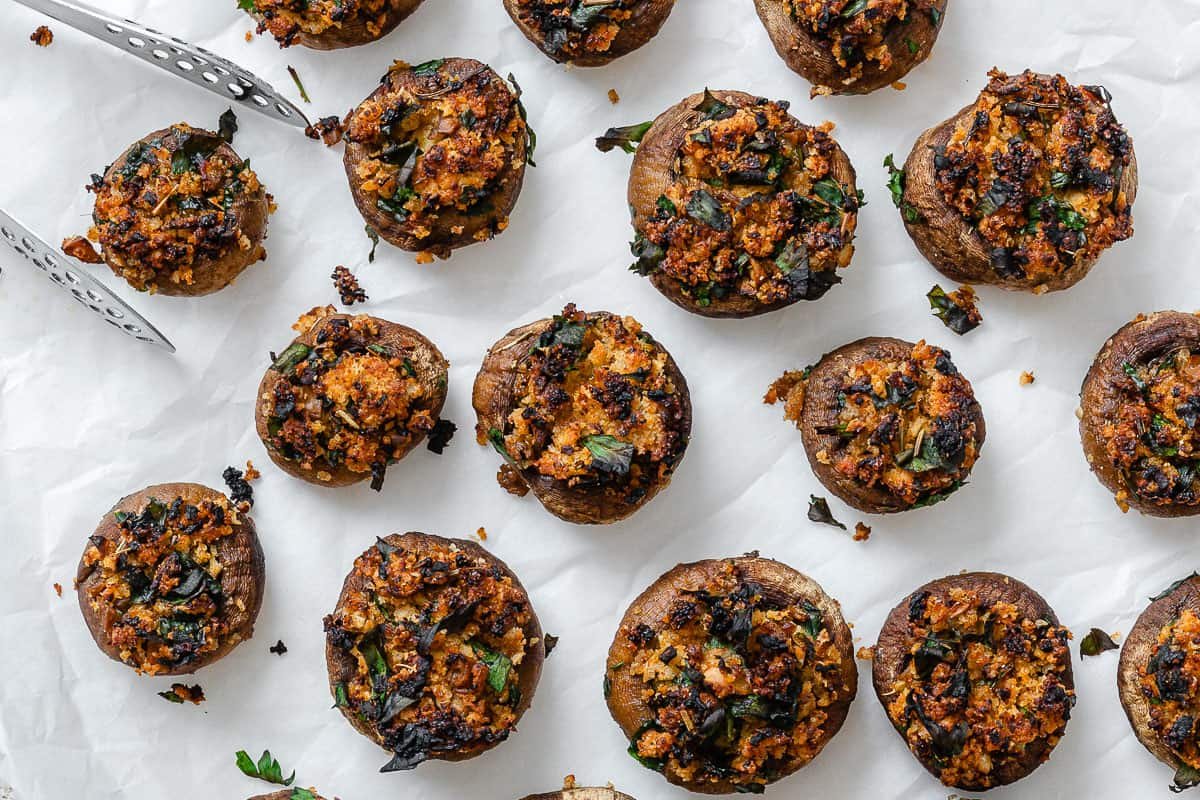
If you’re looking for a delightful kitchen project that impresses without the stress, Easy Vegan Stuffed Mushrooms are the perfect choice. These mushrooms are savory, rich, and bursting with flavor, making them a fantastic appetizer for gatherings or a tasty side dish for family dinners. The earthy taste of the mushrooms pairs beautifully with a stuffing that’s both hearty and satisfying.
Many people struggle with getting stuffed mushrooms just right—either the stuffing is too dry or the mushrooms are overcooked. This recipe tackles that challenge by providing a balance of textures and flavors, ensuring moist and tender mushrooms every time. Plus, it comes together in a snap, making it a go-to for quick meals or when you want to impress guests. The steps are easy to follow, so you’ll be enjoying these delicious bites in no time!
Why You Should Make This Recipe
- This recipe can be prepared in just 30 minutes, making it perfect for busy weeknights.
- It features simple ingredients that are easy to find and budget-friendly.
- The flavor profile is rich and satisfying, ensuring you’ll enjoy every bite.
- This meal is easy to customize, allowing you to add your favorite vegetables or proteins.
- It’s a diet-friendly option that fits well into various eating plans.
- Once you try it, you’ll definitely want to make it a regular in your meal rotation.
Recipe Highlights
| Profile | Information |
|---|---|
| Prep time | – |
| Cook time | – |
| Total time | – |
| Servings | – |
| Calories per serving | – |
| Difficulty | – |
| Cuisine | – |
| Course | – |
| Diet tags | – |
| Best time to eat | – |
| Main flavor notes | – |
Ingredients
– 12 large mushrooms, cleaned and stems removed
– 1 cup cooked quinoa
– 1/2 cup cherry tomatoes, diced
– 1/4 cup onion, finely chopped
– 2 cloves garlic, minced
– 1/4 cup fresh parsley, chopped
– 1/2 teaspoon dried oregano
– 1/2 teaspoon salt
– 1/4 teaspoon black pepper
– 2 tablespoons olive oil
Optional:
– 1/4 cup nutritional yeast
– 1/4 cup sliced olives
– 1/4 teaspoon red pepper flakes
Equipment Needed
How to Make Easy Vegan Stuffed Mushrooms
-
Preheat your oven to 375°F (190°C). This will ensure a hot cooking environment for the mushrooms to roast properly and develop flavor.
-
Clean the mushrooms with a damp paper towel to remove any dirt. Make sure to gently wipe them to avoid excess moisture which can make them soggy.
-
Carefully remove the stems from each mushroom cap. You want to do this without breaking the caps, as they’ll need to hold the stuffing later.
-
Finely chop the removed mushroom stems and set them aside. They will add flavor and enhance the texture of your filling.
-
In a mixing bowl, combine the chopped mushroom stems with breadcrumbs, nutritional yeast, minced garlic, and any spices you prefer. Mix until everything is well incorporated, and take a moment to enjoy the aromatic smell of the garlic.
-
Drizzle a bit of olive oil into the mixture to help bind the ingredients together. The texture should be slightly moist but still crumbly.
-
Spoon the filling mixture into each mushroom cap, packing it in lightly. The filling should be heaped just above the rim of the caps for a nice presentation.
-
Place the stuffed mushrooms on a baking sheet lined with parchment paper. Make sure they are spaced slightly apart to ensure even roasting.
-
Bake in the preheated oven for about 20 to 25 minutes. Look for a golden-brown color on the tops of the stuffing and the mushrooms to be tender yet firm.
-
Remove the mushrooms from the oven and allow them to cool for a few minutes. This will help them firm up slightly and make them easier to handle.
-
Serve warm as an appetizer or side dish. The stuffed mushrooms should have a delightful savory aroma that will fill your spaces.
-
For food safety, start with fresh mushrooms and keep leftovers refrigerated in an airtight container for up to three days. Always ensure food is heated through before consuming.
Essential Cooking Tips for Success
1. Measure ingredients accurately with proper tools for precision, especially when baking, to ensure consistent results.
2. Always preheat your oven before baking to achieve the desired rise and texture of baked goods.
3. Use fresh herbs at the end of cooking to preserve their flavor, while dried herbs should be added earlier to deepen their essence in the dish.
4. To enhance texture, consider blanching vegetables before sautéing or roasting; this keeps them vibrant and tender-crisp.
5. Taste your dish multiple times while cooking, adjusting seasoning gradually, to achieve a well-balanced flavor profile.
6. Rest meats after cooking to allow juices to redistribute, resulting in a juicier and more flavorful final product.
7. Avoid overcrowding pans when frying or sautéing; this ensures better heat distribution and prevents steaming.
8. Use a good quality salt and consider the type of dish to bring out the best flavors without overwhelming them.
Recipe Variations and Substitutions
. For a gluten-free option, use almond flour or coconut flour instead of regular flour.
. To make the recipe dairy-free, substitute regular milk with almond milk or oat milk.
. To create a vegan version, replace eggs with flaxseed meal mixed with water or unsweetened applesauce.
. If you prefer a nut-free option, swap almond flour for a blend of gluten-free all-purpose flour and additional binding agents.
. For reduced sugar, use a sugar substitute like stevia or erythritol in place of regular sugar.
. To add protein, incorporate a scoop of protein powder or chia seeds into the batter.
. For a low-carb version, consider using cauliflower rice instead of grains or pasta.
. Use vegetable broth instead of chicken broth to create a vegetarian-friendly dish.
Serving Ideas for Your Recipe
This dish is best served warm, allowing the flavors to really shine. Present it on a rustic wooden board or in a colorful bowl to elevate its visual appeal. Consider garnishing with fresh herbs to add a touch of freshness and enhance the dish’s aroma.
Ideal companions for this recipe include a side of roasted seasonal vegetables, which add a wonderful contrast in texture and flavor. A light, fluffy grain such as quinoa or couscous can also be a great addition, soaking up any delicious sauce or juices.
For a refreshing touch, consider serving this dish alongside a simple green salad dressed with a citrus vinaigrette. This will cleanse the palate and provide a nice balance to the richness of the main dish.
If you’re looking to elevate your meal further, pair it with warm artisan bread to soak up any remaining flavors on the plate. Completing the experience with a light herbal tea or sparkling water will keep the focus on the dish itself while providing a refreshing complement.
Storage and Reheating Instructions
Fridge Storage
Store your meal prep in airtight containers in the refrigerator. It is best consumed within 3 to 5 days. Make sure the food is completely cooled before sealing to prevent moisture buildup.
Freezer Storage
For longer storage, freeze your meals in airtight containers or freezer bags. Most meals can last in the freezer for up to 3 months. Label each container with the date and contents for easy identification.
Room Temperature
If you are serving meals that will not be kept for long, such as during a gathering, foods should not be left at room temperature for more than 2 hours. Keep hot foods hot and cold foods cold.
Reheating Methods
To reheat meals while maintaining texture:
-
Microwave: Place food in a microwave-safe container. Cover with a microwave-safe lid or damp paper towel to retain moisture. Heat in 30-second increments, stirring in between, to ensure even heating.
-
Oven: Preheat the oven to 350°F (175°C). Place the food in an oven-safe dish and cover with aluminum foil to prevent it from drying out. Heat for 15-20 minutes, depending on the portion size.
-
Stovetop: For soups or stir-fries, reheat in a pan over medium heat. Stir frequently and add a splash of water or broth to maintain moisture.
By following these storage and reheating guidelines, you can enjoy your meal prep while preserving flavor and texture.
Nutritional Insights
This recipe showcases a variety of wholesome ingredients that contribute to a balanced diet. Rich in plant-based proteins, it provides essential amino acids, making it a great choice for those seeking to incorporate more protein sources into their meals. Additionally, the inclusion of fresh vegetables delivers a good amount of dietary fiber, which can promote digestive health. The recipe’s emphasis on natural, unprocessed ingredients supports a nutrient-dense approach, helping to keep you energized throughout the day. Ideal for anyone looking to enjoy delicious meals while prioritizing overall nutrition.
FAQ for Easy Vegan Stuffed Mushrooms
1. What can I substitute for breadcrumbs in the stuffing?
You can use crushed crackers, oats, or ground nuts for a gluten-free option. For additional flavor, consider using nutritional yeast.
2. How should I store leftover stuffed mushrooms?
Place the stuffed mushrooms in an airtight container and refrigerate for up to three days. To reheat, simply bake them in the oven until warmed through.
3. What are common mistakes to avoid when making stuffed mushrooms?
Make sure not to overstuff the mushrooms, as they can become too soggy. Also, ensure the mushrooms are cleaned properly to avoid excess moisture.
4. How long do I need to bake the stuffed mushrooms?
Bake them at 375 degrees Fahrenheit for about 20 to 25 minutes. Keep an eye on them to ensure they are golden and cooked to your desired level.
5. What is the ideal serving size for stuffed mushrooms?
Typically, plan for 3 to 4 stuffed mushrooms per person as an appetizer. Adjust quantities depending on whether they’re part of a larger meal.
6. Can I freeze stuffed mushrooms for later?
Yes, you can freeze the unbaked stuffed mushrooms for up to one month. Just make sure to thaw them in the refrigerator before baking.
7. Can I use a different type of mushroom?
Absolutely! While cremini or portobello mushrooms are popular choices, you can also use button mushrooms or shiitake mushrooms for a unique flavor.
8. What can I use as a substitute for vegan cheese?
Nutritional yeast can provide a cheesy flavor, or you can use vegan cream cheese for creaminess. Blended cashews also make a great rich alternative.
These Easy Vegan Stuffed Mushrooms are a delightful addition to any meal, bursting with flavor and a satisfying texture that will impress both vegans and non-vegans alike. The combination of savory herbs and wholesome ingredients makes each bite a memorable experience, perfect for those seeking a healthy yet indulgent dish.
Whether you’re preparing for a cozy family dinner, hosting a gathering with friends, or simply craving a flavorful snack, these stuffed mushrooms are an effortless choice. With minimal preparation and quick baking, you can have a delicious appetizer ready in no time, making them an ideal recipe for any occasion.