
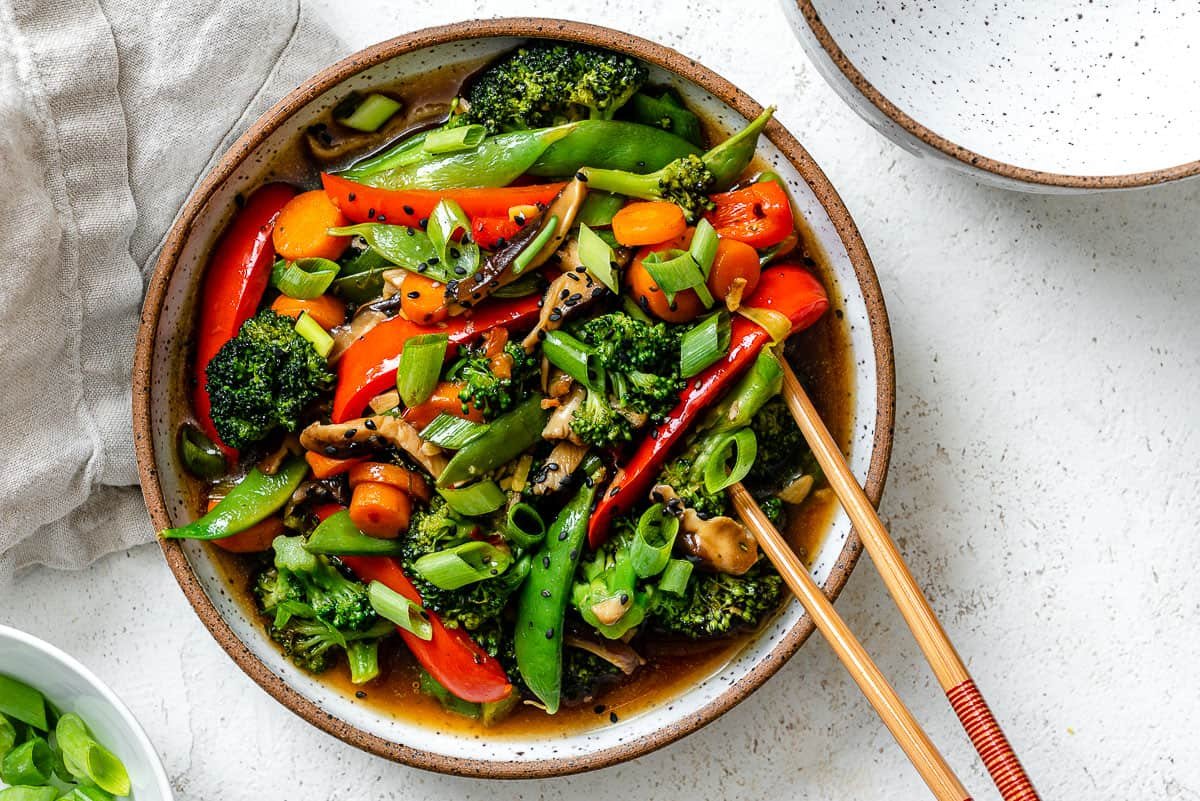
When you need a quick meal that’s both delicious and nutritious, Easy Stir-Fry Vegetables are an ideal choice. Packed with vibrant colors and fresh flavors, this dish is perfect for busy weeknights or a light lunch. The crunchy vegetables combined with a savory sauce create a wonderful explosion of taste that leaves everyone satisfied.
Many home cooks struggle with getting their vegetables just right—overcooking can lead to soggy results. This simple recipe solves that by focusing on quick cooking techniques that preserve the crispness and natural flavors of each vegetable. Plus, you can customize it with whatever veggies you have on hand.
You’ll find that the steps are easy to follow, making this dish a go-to staple in your kitchen. Grab your wok and let’s bring those fresh veggies to life!
Why You Should Make Easy Stir-Fry Vegetables
· This recipe takes just 15 minutes to prepare, making it perfect for busy weeknights.
· It’s an easy dish that anyone can whip up, regardless of cooking skill.
· The vibrant colors and fresh flavors make it a visually appealing addition to any meal.
· You can customize the vegetables based on what you have on hand, minimizing waste.
· This dish pairs well with a variety of proteins or can stand alone as a healthy vegetarian option.
· The crunchy texture of the vegetables keeps each bite exciting and satisfying.
· Your family will love the delicious taste, making it a hit at the dinner table.
Recipe Highlights
| Prep time | 10 minutes |
| Cook time | 10 minutes |
| Total time | 20 minutes |
| Servings | 4 |
| Calories per serving | 150 |
| Difficulty | Easy |
| Cuisine | Asian |
| Course | Main |
| Diet tags | Vegan, Vegetarian |
| Best time to eat | Lunch/Dinner |
| Main flavor notes | Savory, Crunchy |
Ingredients
• 2 cups mixed bell peppers, sliced
• 1 cup broccoli florets
• 1 cup snap peas
• 1 medium carrot, julienned
• 2 tablespoons vegetable oil
• 3 cloves garlic, minced
• 1 tablespoon soy sauce
• 1 teaspoon sesame oil
• 1 tablespoon fresh ginger, minced
Optional
• 1 cup baby corn
• 1/2 cup green onions, sliced
• 1 tablespoon sesame seeds
Equipment Needed
– Large skillet or wok
– Cutting board
– Sharp knife
– Wooden spoon
– Measuring cups
– Measuring spoons
– Stirring spatula
– Serving dish
How to Make It
1. Begin by washing your vegetables thoroughly under cold water to remove any dirt or pesticides. Pat them dry with a clean kitchen towel.
2. Chop your vegetables into uniform pieces—aim for bite-sized chunks to ensure even cooking. Colorful vegetables like bell peppers, broccoli, and carrots will add vibrancy to your dish.
3. Preheat a large wok or skillet over medium-high heat. A properly heated pan will ensure a good sizzle when you add the vegetables.
4. Add 1 tablespoon of oil to the pan, swirling it to coat the bottom. The oil should shimmer but not smoke, indicating it’s hot enough.
5. Toss in your garlic and ginger first, sautéing for about 30 seconds until fragrant. This will infuse the oil with flavor.
6. Add the harder vegetables like carrots and broccoli first and stir-fry for 2 to 3 minutes. You’ll notice the vibrant colors deepening as they begin to soften.
7. Next, incorporate softer veggies like bell peppers and snap peas, stirring for an additional 2 to 3 minutes. Aim for a bright, tender-crisp texture.
8. Season with soy sauce, sesame oil, or your choice of sauce, stirring well to evenly coat the vegetables. The vegetables should glisten slightly from the sauce.
9. If using protein like shrimp or chicken, ensure it reaches an internal temperature of 165°F. Cook for an additional 3 to 5 minutes until fully cooked through.
10. Taste a piece to check for seasoning and doneness. The vegetables should be tender yet crunchy, offering a satisfying bite.
11. Remove from heat and let it sit for a minute to cool slightly. This will help the flavors meld together.
12. Serve immediately over rice or noodles for a quick, healthy meal. Enjoy the colorful presentation and fresh aroma as you dig in.
Tips for Perfect Stir-Fry Vegetables
1. Cut vegetables uniformly to ensure even cooking. Aim for bite-sized pieces, typically no larger than one inch.
2. Preheat your wok or pan before adding oil. This helps to create a sear on the vegetables, locking in moisture and flavor.
3. Use high smoke point oils, such as vegetable, canola, or peanut oil, to prevent burning and maintain the integrity of your dish.
4. Stir-fry vegetables in batches if needed, to avoid overcrowding the pan. This allows for better heat distribution and a crispier texture.
5. To enhance texture, add denser vegetables like carrots or broccoli first, giving them more time to cook before adding softer ones like bell peppers or spinach.
6. Season vegetables with soy sauce, oyster sauce, or garlic towards the end of cooking to preserve their freshness and prevent over-seasoning.
7. Balance flavors with a splash of acid, such as lime juice or rice vinegar, to brighten the dish and enhance the overall taste profile.
8. Let residual heat carry over to finish cooking off the heat, ensuring vegetables remain vibrant and slightly crisp.
Recipe Variations and Substitutions for Different Diets
. Use gluten-free flour blends instead of all-purpose flour for gluten-free recipes.
. Substitute almond milk or oat milk for dairy milk to create dairy-free options.
. Replace eggs with flaxseed meal mixed with water or unsweetened applesauce for vegan recipes.
. Use coconut yogurt or cashew cream as a dairy-free alternative for creamy dishes.
. Swap honey with maple syrup or agave nectar for a fully vegan sweetener.
. Incorporate quinoa or brown rice in place of pasta for a gluten-free grain option.
. Utilize nutritional yeast to add a cheesy flavor without dairy in vegan dishes.
. Choose vegetable broth instead of chicken broth for a vegan base in soups and sauces.
Serving Ideas for Your Recipe
This dish shines as a comforting main course during cozy family dinners. It works beautifully with a fresh, mixed greens salad dressed in a light vinaigrette to balance the richness of the main.
For a heartier option, serve it with creamy mashed potatoes or a buttery risotto, enhancing the overall flavor and texture. Consider adding seasonal roasted vegetables on the side for a delightful crunch and color.
If you’re looking to make it special, plate it alongside fresh, crusty bread, allowing guests to soak up any delicious sauce. This meal is ideally enjoyed during relaxed weekends or festive gatherings, making it a versatile choice for various occasions.
Finally, don’t forget to complement your dish with a glass of full-bodied red wine, which elevates the overall dining experience and brings out the flavors beautifully.
Storage and Reheating Instructions
To ensure the best quality and safety for your Easy Stir-Fry Vegetables, follow these storage and reheating guidelines:
Refrigerator Storage:
Store your stir-fry vegetables in an airtight container in the refrigerator. They will stay fresh for up to 3 to 5 days.
Freezer Storage:
For longer storage, you can freeze the stir-fry vegetables. Place them in a freezer-safe container or resealable bag, removing as much air as possible. They can be stored in the freezer for up to 3 months.
Room Temperature:
It is best to avoid leaving stir-fry vegetables at room temperature for more than 2 hours to prevent bacterial growth.
Reheating Methods:
-
Microwave: Place your vegetables in a microwave-safe dish. Add a splash of water to retain moisture, cover with a microwave-safe lid or damp paper towel, and heat in short increments of 30 seconds, stirring in between, until heated through.
-
Stovetop: Heat a small amount of oil in a skillet over medium heat. Add the vegetables and stir frequently, cooking until heated through. This method helps to restore some of the original texture without making them soggy.
-
Oven: Preheat the oven to 350°F (175°C). Spread the vegetables on a baking sheet and cover loosely with aluminum foil to prevent them from drying out. Heat for about 10 to 15 minutes or until warmed through.
Avoid overcooking when reheating to maintain the texture and flavor of your stir-fry vegetables.
Nutrition Note for Easy Stir-Fry Vegetables
Easy Stir-Fry Vegetables typically include a colorful mix of fresh produce such as bell peppers, broccoli, carrots, and snap peas. These vegetables are generally low in calories while being rich in vitamins and minerals, contributing to a balanced diet. They provide dietary fiber, which can support digestive health and help maintain a feeling of fullness. Additionally, including vegetables in your meals can enhance overall nutrient intake, offering antioxidants that may contribute to overall well-being. If prepared with a protein source like tofu or chicken, the dish can further increase its nutritional value by providing essential amino acids. Always opt for vibrant, fresh vegetables to maximize flavor and nutrition.
FAQ for Easy Stir-Fry Vegetables
What vegetables work best for stir-frying?
Crisp vegetables like bell peppers, broccoli, snap peas, and carrots are ideal for stir-frying due to their quick cooking times and ability to retain texture.
Can I substitute frozen vegetables for fresh ones?
Yes, frozen vegetables can be used in stir-fries. Just be aware that they may release more moisture, so you might need to cook them a little longer.
How should I store leftover stir-fry vegetables?
Store leftover stir-fry in an airtight container in the refrigerator for up to three days. Reheat in a skillet or microwave before serving.
What common mistakes should I avoid when stir-frying?
Avoid overcrowding the pan, as this can cause steaming instead of frying. Also, ensure the oil is hot before adding vegetables for better caramelization.
What is the best way to cut vegetables for stir-frying?
Cut vegetables into uniform pieces to ensure even cooking. Aim for bite-sized portions for convenient eating.
How long should I cook the vegetables?
Most vegetables in a stir-fry only need 3 to 5 minutes of cooking time on high heat. Keep them crisp by stirring frequently.
What is an appropriate serving size for stir-fried vegetables?
A standard serving size is about one cup of stir-fried vegetables per person. Adjust quantities based on personal preference and accompanying dishes.
Can I add protein to my stir-fry?
Absolutely! Common options include chicken, beef, shrimp, or tofu. Just make sure to cook the protein separately or ensure it’s fully cooked before adding the vegetables.
Easy Stir-Fry Vegetables is a delightful dish that combines vibrant flavors with the crunch of fresh vegetables, making it a perfect addition to any meal. The balance of taste and texture in this recipe not only satisfies your cravings but also nourishes your body, showcasing how simple ingredients can create something truly special.
Whether you’re looking for a quick weeknight dinner or a colorful side for a weekend gathering, this stir-fry is incredibly versatile. Whip it up in just minutes for a healthy, delicious meal that is sure to impress your family and friends any day of the week.