
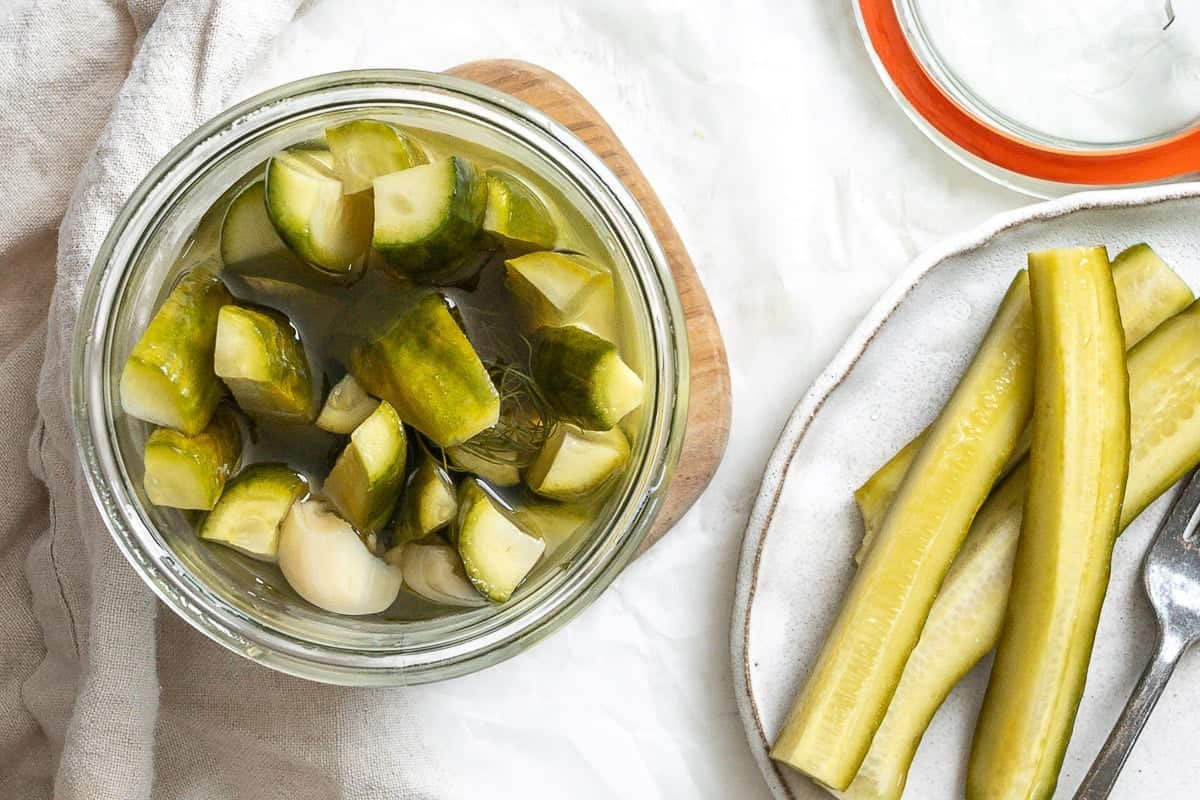
We all love a quick, refreshing bite that can elevate meals and snacks alike, and Quick Easy Refrigerator Pickles fit that bill perfectly. These pickles bring a crisp crunch and a zesty flavor that can instantly jazz up sandwiches, burgers, or even salads.
This recipe shines because it uses simple ingredients you likely have on hand and requires minimal effort. Perfect for busy weeknights or when you want to add a homemade touch to your gatherings, they can be ready in just a few hours. Many struggle with traditional pickling methods that take days or require canning skills. This version simplifies the process, allowing you to enjoy flavorful pickles without the fuss.
The steps are straightforward, making it easy to whip up a jar or two whenever the craving hits.
Why You Should Make Quick Easy Refrigerator Pickles
• This recipe is incredibly quick, taking only 15 minutes to prepare.
• It’s a simple process, making it perfect for all skill levels in the kitchen.
• The tangy and refreshing taste will elevate any meal or snack.
• These pickles are a versatile addition to salads, sandwiches, and burgers.
• They are a great way to use up extra vegetables and reduce food waste.
• You can customize the flavors to suit your personal preference.
• The strongest reason to make these pickles is that they provide a burst of flavor without preservatives, making them a healthy choice.
Recipe Highlights
| Prep time | 10 minutes |
| Cook time | – |
| Total time | 10 minutes |
| Servings | 4 |
| Calories per serving | 25 |
| Difficulty | Easy |
| Cuisine | American |
| Course | Snack |
| Diet tags | Vegetarian |
| Best time to eat | Anytime |
| Main flavor notes | Vinegar, dill, crunchy |
Ingredients
• 2 cups cucumbers, sliced
• 1 cup water
• 1 cup white vinegar
• 2 tablespoons sugar
• 2 tablespoons kosher salt
• 1 teaspoon mustard seeds
• 1 teaspoon crushed red pepper flakes
• 2 cloves garlic, minced
Optional
• Fresh dill sprigs
• Sliced onions
• Sliced bell peppers
Equipment Needed
– Glass jars with lids
– Cutting board
– Sharp knife
– Mixing bowl
– Measuring cups
– Measuring spoons
– Saucepan
– Tongs
How to Make It
1. Start by thoroughly washing 4 to 5 medium cucumbers under cold water to remove any dirt. Slice them into your preferred shape, either spears or rounds, for desired texture.
2. In a large glass jar or bowl, combine 1 cup of water, 1 cup of white vinegar, 2 tablespoons of salt, and 2 tablespoons of sugar. Stir until the salt and sugar have completely dissolved, creating a brine with a tangy aroma.
3. Add 1 tablespoon of mustard seeds, 1 teaspoon of black peppercorns, and a few sprigs of fresh dill to the brine. These spices will enhance flavor and create a colorful, aromatic mixture.
4. Pack the sliced cucumbers tightly into the jar, ensuring they are submerged in the brine. This will help them absorb the flavors and maintain crispness.
5. Pour the brine mixture over the cucumbers, ensuring they are fully covered. The brine should visually brighten the cucumbers, giving them a glossy appearance.
6. Seal the jar tightly with a lid and give it a gentle shake to ensure even distribution of spices. Allow it to sit at room temperature for about 30 minutes for initial flavor development.
7. After 30 minutes, place the jar in the refrigerator. Chill for at least 24 hours to allow flavors to meld and the cucumbers to take on a crisp, tangy flavor.
8. Before serving, give the jar a little shake to redistribute the brine. The pickles should feel crunchy and have a vibrant color.
9. Serve the pickles as a refreshing side dish or sandwich topper. Enjoy within 2 to 3 weeks for best quality, keeping them in the refrigerator for food safety.
10. Always check for any off smells or unusual textures before consuming. If anything seems off, it’s best to discard them for safety.
Tips for Perfect Refrigerator Pickles
1. Use fresh vegetables for the best crunch. Pickling cucumbers work best as they hold their shape and texture during the pickling process.
2. Slice your cucumbers evenly to ensure uniform pickling. Thick slices may remain crunchy while thinner ones become too soft.
3. Always sterilize your jars before filling them with pickles. This prevents contamination and helps the pickles stay fresh longer.
4. Taste your brine before adding it to the jars. Adjust the acidity with vinegar to achieve the right balance and enhance the overall flavor.
5. Experiment with spices like dill, garlic, or red pepper flakes to enhance the flavor. Adding these at the start allows their essence to infuse fully into the pickles.
6. Let your pickles sit in the fridge for at least 24 hours before tasting. This allows the flavors to meld and the texture to develop properly.
7. Be mindful of salt. Too much can lead to overly salty pickles; start with a standard measurement and adjust according to taste.
8. Store your pickles in a cool, dark place in the refrigerator to help maintain their crispiness and prevent spoilage.
Dietary Variations and Substitutions
• For a gluten-free option, substitute all-purpose flour with almond flour or a gluten-free flour blend.
• To make the recipe vegan, replace eggs with flaxseed meal mixed with water or applesauce.
• For a dairy-free version, use coconut milk or almond milk instead of regular milk and opt for dairy-free butter.
• If you prefer a low-carb alternative, swap out any grains for cauliflower rice or zoodles.
• For extra protein, add cooked lentils or chickpeas in place of grains or meat.
• If you’re looking for a nut-free option, use sunflower seed butter instead of nut butters and omit any nuts from the recipe.
• To make it paleo-friendly, replace processed sugars with natural sweeteners like honey or maple syrup.
• For a sugar-free version, use a sugar substitute like stevia or erythritol in place of granulated sugar.
Serving Ideas for Your Dish
This dish shines when served fresh from the stove, allowing the flavors to fully express themselves. Pair it with a light, refreshing salad to balance the richness. A simple arugula salad with lemon vinaigrette works beautifully.
Consider serving it alongside a crusty artisan bread. This addition not only complements the main dish but also offers a satisfying texture contrast. The bread can be used to soak up any flavorful sauces.
For a heartier option, serve it with a side of roasted seasonal vegetables. Seasonal produce adds vibrant color and enhances the meal’s nutritional value, making it perfect for cozy family dinners.
If you want a lighter touch, a bowl of steamed jasmine rice is an ideal accompaniment. Its subtle flavor acts as the perfect backdrop, allowing the main dish to take center stage without overwhelming the palate.
Finally, this dish is best enjoyed within a few hours of preparation. Reheating may cause some loss in texture, so aim to serve it right away for the best experience.
Storage and Reheating Instructions
For optimal freshness, store your Quick Easy Refrigerator Pickles in a clean, airtight container in the refrigerator. They can be kept for up to 2 weeks.
If you need to store them for a longer period, consider freezing them. However, keep in mind that freezing may alter their texture. When freezing, transfer the pickles to a freezer-safe container and they can be stored for up to 3 months.
Do not store refrigerator pickles at room temperature, as this may lead to spoilage. Always keep them refrigerated.
When ready to enjoy, simply remove them from the fridge. There is no need to reheat refrigerator pickles; they are best served cold. If you prefer a softer texture, let them sit at room temperature for about 15-20 minutes before serving. This will enhance their flavor and make them more palatable without losing their crunch.
Nutrition Note
Quick Easy Refrigerator Pickles are a flavorful addition to your meals and snacks. The primary ingredients often include cucumbers, vinegar, and various spices, contributing minimal calories while enhancing taste. Cucumbers are low in calories and provide hydration due to their high water content. They also contain small amounts of vitamins and minerals. The vinegar used in these pickles can add a tangy flavor and may have some culinary benefits. These pickles can be a low-calorie and crunchy side dish or topping, enhancing your meals without significantly affecting your overall calorie intake. Enjoy them as a part of a balanced diet for added flavor and texture.
Frequently Asked Questions about Quick Easy Refrigerator Pickles
What can I substitute for cucumbers in refrigerator pickles?
You can use other vegetables like carrots, radishes, or zucchini. These options will provide a different flavor and texture while still absorbing the brine.
How should I store my refrigerator pickles?
Refrigerator pickles should be stored in an airtight container in the fridge. They will typically stay fresh for up to two weeks.
What are common mistakes when making refrigerator pickles?
A common mistake is not allowing enough time for the flavors to develop. Aim for at least 24 hours of refrigeration before tasting for the best flavor.
How long do refrigerator pickles need to marinate?
For optimal flavor, allow at least 24 to 48 hours in the fridge. However, you can begin enjoying them after just a few hours.
Can I make refrigerator pickles in larger batches?
Yes, you can double or triple the recipe as long as you have enough container space. Just ensure the pickles are fully submerged in the brine.
What is the recommended serving size for refrigerator pickles?
A typical serving size is about 1/4 to 1/2 cup, depending on how prominently you want them in your meal. Adjust this based on your preference and the dish you are serving.
In just a few simple steps, Quick Easy Refrigerator Pickles transform ordinary cucumbers into a tangy, crunchy delight that elevates any meal. Their vibrant flavor and crisp texture make them the perfect accompaniment to sandwiches, burgers, or a cheese platter, bringing a refreshing balance to rich dishes.
Whether you’re looking to spice up your weeknight dinners or wanting a quick snack ready in the fridge, these pickles are a fantastic choice. They can be made ahead of time, allowing the flavors to develop, making them ideal for barbecues or casual gatherings. Give this recipe a try and enjoy the taste of homemade goodness.