
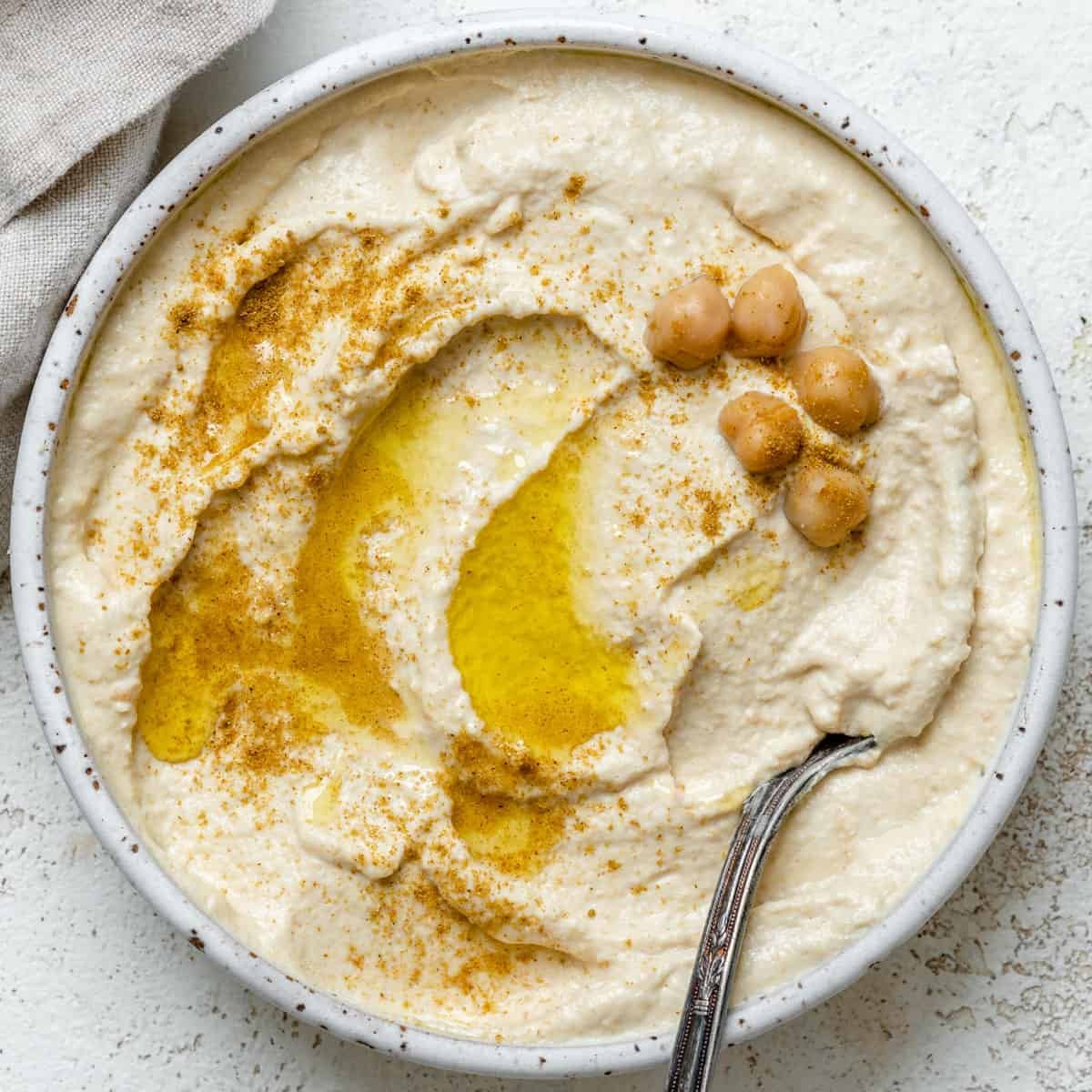
Are you looking for a simple yet delicious snack that pleases a crowd? This Easy Hummus Recipe is the perfect solution. Creamy, flavorful, and oh-so-satisfying, it’s a great way to enjoy a healthy dip that complements fresh veggies or warm pita bread.
One of the biggest challenges people face when making hummus is achieving that silky-smooth texture without it being too thick or bland. This recipe takes care of that with just the right balance of ingredients, creating a silky dip that’s bursting with flavor.
Whether you’re hosting a gathering or just want a quick snack for yourself, this hummus is versatile enough for any occasion. Don’t worry if you’ve never tried making it before; the steps are easy to follow and will have you whipping up this delightful dish in no time.
Why You Should Make This Easy Hummus Recipe
• This recipe takes only 10 minutes to prepare, making it perfect for busy days.
• It requires minimal ingredients, making it both easy and cost-effective.
• The creamy texture and rich flavor make it a delicious snack or dip option.
• It’s a versatile dish that can be paired with vegetables, pita, or used in wraps.
• This hummus is suitable for various diets, including vegan and gluten-free.
• You will impress your guests with this homemade hummus that tastes better than store-bought.
• It’s a healthy alternative to many conventional snacks, keeping you satisfied without guilt.
Recipe Highlights
| Prep time | 10 minutes |
| Cook time | – |
| Total time | 10 minutes |
| Servings | 6 |
| Calories per serving | 100 |
| Difficulty | Easy |
| Cuisine | Mediterranean |
| Course | Appetizer |
| Diet tags | Vegan, Gluten-free |
| Best time to eat | Anytime |
| Main flavor notes | Nutty, Creamy |
Ingredients
• 1 can (15 oz) chickpeas, drained and rinsed
• 1/4 cup tahini
• 2 tablespoons olive oil
• 2 tablespoons lemon juice
• 1 clove garlic, minced
• 1/2 teaspoon ground cumin
• Salt to taste
• Water as needed for desired consistency
Optional
• Paprika for garnish
• Chopped parsley for garnish
• Additional olive oil for drizzling
Equipment Needed
– Food processor
– Measuring cups
– Measuring spoons
– Spatula
– Serving bowl
– Storage container
How to Make It
1. Start by rinsing and draining one can of chickpeas under cold water to remove excess sodium and improve taste.
2. In a food processor, combine the rinsed chickpeas, 1/4 cup tahini, the juice of one large lemon, 2 cloves of minced garlic, and 1/2 teaspoon of salt.
3. Blend the mixture on high speed for about 30 seconds, until it becomes a smooth paste, scraping down the sides as necessary.
4. To achieve a creamier texture, gradually add 2 to 4 tablespoons of cold water while the processor is running, stopping to check the consistency.
5. Taste the hummus and adjust the seasoning by adding more salt or lemon juice as needed for brightness.
6. Once well-blended, transfer the hummus to a serving bowl, using a spatula to smooth the top for an appealing presentation.
7. Drizzle a tablespoon of olive oil over the surface for added flavor and a glossy finish, if desired.
8. Cover the bowl with plastic wrap and refrigerate the hummus for at least 30 minutes to allow the flavors to meld.
9. When ready to serve, remove the hummus from the refrigerator and let it sit for a few minutes to slightly warm up.
10. Serve with your choice of pita bread, fresh vegetables, or as part of a mezze platter.
11. Store any leftovers in an airtight container in the refrigerator for up to one week for optimal freshness.
12. Always check for signs of spoilage, such as off smells or mold, before consuming leftovers.
Tips for Perfect Hummus
1. Use quality chickpeas either canned or cooked from dried. If using canned, drain and rinse them to reduce sodium and improve taste.
2. Blend the chickpeas with cold water gradually to achieve that creamy texture. Start with a small amount and add more as needed until you reach your desired consistency.
3. For added creaminess, incorporate tahini at room temperature. This helps emulsify the mixture and gives a smoother result.
4. Make sure to add fresh lemon juice to balance the flavors. A good rule of thumb is to start with the juice of half a lemon and adjust to taste.
5. Season generously with salt as it enhances overall flavor. Begin with a small pinch and tweak according to your preference.
6. For a more complex flavor, consider adding a pinch of cumin or smoked paprika during blending.
7. To improve texture, drizzle olive oil into the mixture while blending continuously, which enriches the hummus and creates a silkier finish.
8. Always taste and adjust the seasoning before serving. Adding a bit more lemon or salt can elevate the dish significantly.
Dietary Variations and Substitutions
. For a gluten-free option, use oat flour or almond flour in place of all-purpose flour.
. Substitute dairy milk with almond milk or coconut milk for a dairy-free version.
. Replace regular butter with coconut oil or a vegan margarine for a vegan alternative.
. Use maple syrup or agave nectar instead of honey for a fully vegan recipe.
. Choose nutritional yeast or vegan cheese to replace cheese for a dairy-free option.
. For a plant-based protein boost, add lentils or chickpeas instead of meat.
. Use aquafaba, the liquid from canned chickpeas, in place of eggs for a vegan substitute.
. Swap regular pasta for zucchini noodles or quinoa pasta for a gluten-free choice.
Serving Ideas for Your Recipe
This dish is best served warm, allowing all the flavors to meld beautifully. Consider plating it on a vibrant dinner plate to showcase its colors and textures, enhancing the visual appeal.
For a complete meal, pair it with a side of lightly sautéed seasonal vegetables. This adds a fresh component that balances the richness of the dish. A simple salad with a citrus vinaigrette can also bring a bright contrast.
To elevate your dining experience, serve with crusty artisan bread, perfect for soaking up any delicious sauce. This combination not only enhances flavors but also provides a comforting touch.
Finally, consider presenting the dish on a rustic wooden board for a casual yet charming dining experience. This invites sharing, which is ideal for gatherings or family meals.
Storage and Reheating Instructions
To ensure your homemade hummus stays fresh and delicious, follow these storage and reheating guidelines:
Refrigerator Storage
Store hummus in an airtight container in the fridge. It will maintain its best quality for up to one week. Always use a clean utensil to scoop out the amount you need to avoid contamination.
Freezer Storage
Hummus can be frozen for up to three months. Use an airtight container or freezer-safe zip bag, leaving some space for expansion. Thaw the hummus in the refrigerator overnight before using.
Room Temperature
Do not leave hummus at room temperature for more than two hours to prevent bacterial growth.
Reheating Instructions
Hummus is best enjoyed cold, but if you prefer to heat it, use a microwave. Heat in short intervals of 15 to 30 seconds, stirring in between, until warmed through. To avoid a dry texture, add a splash of water or olive oil during reheating to help maintain creaminess. Avoid overheating, as this can make the hummus dry.
Nutrition Note
This Easy Hummus Recipe is a nutritious and versatile option for snacking or as a meal component. Made primarily from chickpeas, tahini, and olive oil, it is rich in plant-based protein and fiber, which can help promote a feeling of fullness. The healthy fats from olive oil contribute to its creamy texture while providing essential nutrients. Additionally, the garlic and lemon juice add flavor and may offer antioxidant properties. Enjoy this hummus as a dip with fresh vegetables or use it as a spread in wraps and sandwiches. While this recipe can be part of a balanced diet, individual nutritional needs may vary.
Easy Hummus Recipe FAQ
What can I use instead of tahini?
You can substitute tahini with almond butter, sunflower seed butter, or simply increase the amount of olive oil for a creamy texture.
How should I store leftover hummus?
Store leftover hummus in an airtight container in the refrigerator for up to one week. Make sure to drizzle a little olive oil on top to help it retain moisture.
What are some common mistakes to avoid when making hummus?
One common mistake is under-blending, which can result in a grainy texture. Also, not using enough liquid can make the hummus too thick.
How long does it take to prepare homemade hummus?
Preparing homemade hummus typically takes about 10 to 15 minutes, depending on whether you’re using canned or dried chickpeas.
What is a standard serving size for hummus?
A standard serving size for hummus is about two tablespoons, which can serve as an appetizer or snack for a few people.
Can I freeze hummus, and if so, how?
Yes, you can freeze hummus in an airtight container for up to three months. It’s best to freeze it without any toppings and allow it to thaw in the refrigerator before serving.
This Easy Hummus Recipe delivers a creamy, flavorful dip that pairs perfectly with fresh veggies, pita bread, or even as a spread on sandwiches. The vibrant taste comes from simple ingredients that blend effortlessly, making it a delightful treat for anyone who loves bold flavors.
Whether you’re hosting a casual get-together, planning a picnic, or simply craving a healthy snack, this hummus is a go-to option. Its quick preparation allows you to whip it up in no time, ensuring you can savor every bite without the hassle. Enjoy the deliciousness and share it with loved ones.