
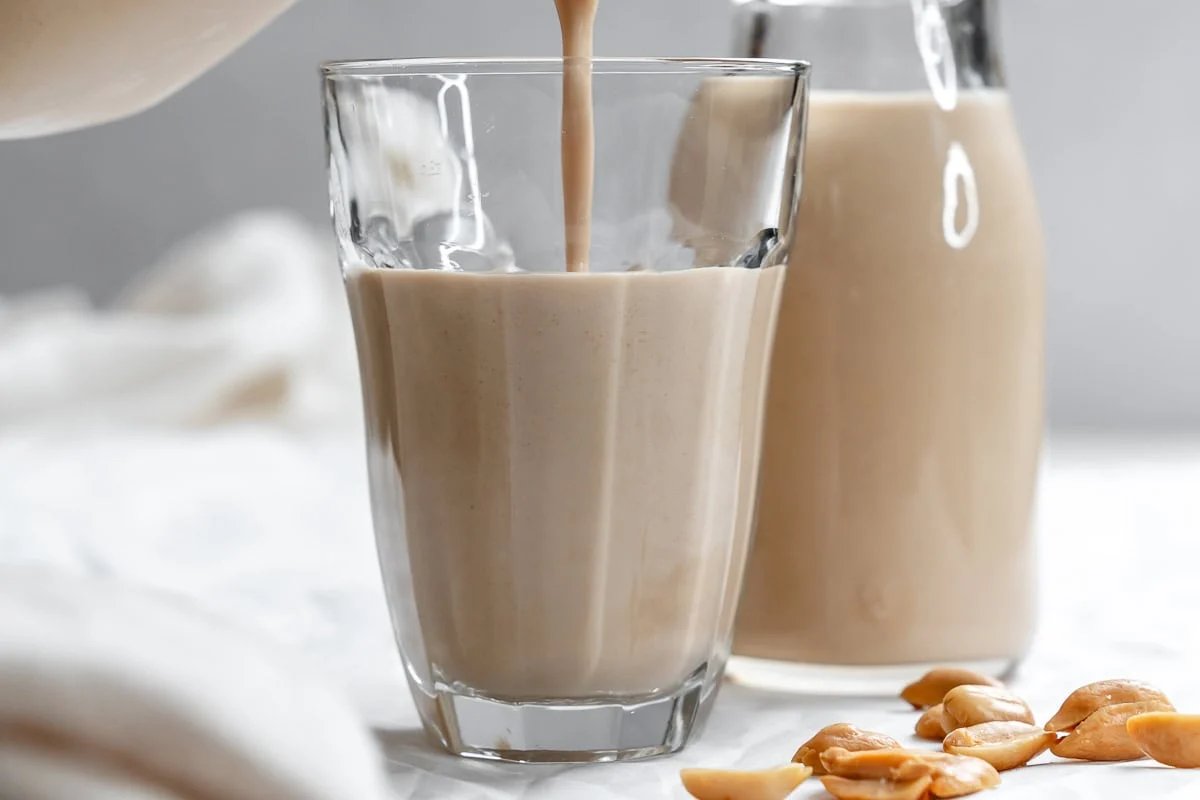
Peanut milk has become a favorite for many who are looking for a delicious and dairy-free alternative. How to make peanut milk is easier than you might think, allowing you to enjoy a nutty and creamy drink that pairs beautifully with smoothies or cereal. The rich flavor and subtle sweetness make it perfect for sipping or adding to your favorite recipes.
Many people struggle with achieving a smooth consistency when making nut milks at home. This version solves that problem with a simple technique that ensures every drop is silky and indulgent. Plus, you’ll love knowing exactly what’s in your milk without any mystery ingredients.
Don’t worry if you’ve never tried this before; the steps are easy to follow. You’ll be enjoying homemade peanut milk in no time.
Why You Should Make Peanut Milk
· Peanut milk is incredibly easy to make, requiring only a few simple steps.
· This recipe takes just 10 minutes, making it a quick addition to your daily routine.
· The creamy texture and rich flavor will delight your taste buds, elevating any beverage.
· It is an excellent dairy alternative for those who are lactose intolerant.
· Peanut milk is versatile and can be used in smoothies, coffees, or enjoyed on its own.
· This recipe is budget-friendly, using inexpensive ingredients you likely already have.
· People will love this recipe for its unique flavor that enhances both sweet and savory dishes.
Recipe Highlights
| Prep time | 5 minutes |
| Cook time | 0 minutes |
| Total time | 5 minutes |
| Servings | 4 cups |
| Calories per serving | 60 |
| Difficulty | Easy |
| Cuisine | Plant-based |
| Course | Beverage |
| Diet tags | Dairy-free, Vegan |
| Best time to eat | Anytime |
| Main flavor notes | Nutty, Creamy |
Ingredients
• 1 cup raw peanuts
• 4 cups water
• 1 tablespoon sweetener (optional)
• 1 teaspoon vanilla extract (optional)
Equipment Needed
– Blender
– Nut milk bag
– Measuring cups
– Large bowl
– Storage container
– Fine mesh strainer
– Spoon
How to Make Peanut Milk
1. Start by gathering 1 cup of raw peanuts and placing them in a bowl. Rinse them under cold water to remove any dirt and impurities.
2. Soak the rinsed peanuts in fresh water for at least 8 hours, or overnight. This softens the peanuts and makes them easier to blend, plus it enhances the flavor.
3. After soaking, drain the peanuts and rinse them again. The peanuts should feel softer and have a slight sheen.
4. Transfer the soaked peanuts to a blender and add 4 cups of fresh water. The water should be cool to maintain a refreshing taste.
5. Blend on high speed for about 1 to 2 minutes, until the mixture is smooth and creamy. You should see a light brown color and hear a whirring sound without any crunchiness.
6. Prepare a nut milk bag or cheesecloth over a large bowl and pour the blended mixture into it. Allow the liquid to strain through, collecting the milk below.
7. Gather the edges of the nut milk bag or cheesecloth and twist to extract any remaining milk. The liquid should feel silky, while the leftover solids can be saved for baking or added to smoothies.
8. Pour the freshly strained peanut milk into a clean glass container or jar. It should have a pale, creamy color and a rich, nutty aroma.
9. If desired, add sweeteners like honey, maple syrup, or vanilla extract to taste, mixing well to combine. Taste the milk to adjust the sweetness to your preference.
10. Store the peanut milk in the refrigerator in an airtight container. It is best consumed within 3 to 5 days for optimal freshness.
11. Shake well before serving, as separation may occur naturally. The milk should have a smooth texture and a lightly nutty flavor when you’re ready to enjoy it.
12. Serve your peanut milk chilled over ice, in smoothies, or as a creamy addition to coffee or cereal. Enjoy the unique flavor and nutritional benefits!
Tips for Perfect Peanut Milk
1. Use freshly roasted peanuts for a richer flavor. If using raw peanuts, roast them in a pan over low heat until golden brown to enhance the taste.
2. Soak the peanuts for at least 4 hours or overnight to improve texture. This softens the peanuts, making them easier to blend and resulting in a creamier milk.
3. Strain the milk through a fine mesh sieve or nut milk bag for a smooth texture. Avoid using a coarse strainer, as this can leave gritty particles in the final product.
4. Blend the peanuts with filtered water in a high-speed blender for at least 2-3 minutes. This ensures the peanuts are well-emulsified and gives the milk a velvety consistency.
5. Taste and adjust sweetness by adding natural sweeteners like honey or maple syrup in small increments. A balanced sweetness enhances overall flavor without overpowering the nuttiness.
6. For additional flavor, blend in a pinch of salt and a splash of vanilla extract. This helps elevate the overall taste and ensures a pleasant balance.
7. Store the peanut milk in an airtight container in the refrigerator for up to a week. Shake well before each use as separation may occur.
8. Use leftover peanut pulp in smoothies or baking to minimize waste and maintain flavor continuity in your recipes.
Recipe Variations and Substitutions for Different Diets
• For a gluten-free option, use almond flour or coconut flour instead of wheat flour
• To make it vegan, substitute eggs with flaxseed meal mixed with water or applesauce
• For a dairy-free version, replace regular milk with almond milk or coconut milk
• If cutting down on sugar, use ripe bananas or applesauce as a natural sweetener
• For a low-carb diet, replace the regular sweetener with erythritol or stevia
• Try using nutritional yeast for a cheesy flavor in vegan recipes
• For a nut-free alternative, use sunflower seed butter in place of nut butters
• To add fiber, incorporate chia seeds or ground flaxseeds into the recipe
Serving Ideas for Your Recipe
This dish is best served warm, straight from the pan. The fragrant aroma will tantalize your guests and create an inviting atmosphere.
To enhance the flavors, consider pairing it with a light salad dressed in a simple vinaigrette. The freshness of the greens balances the richness of the main dish beautifully.
For a fuller meal, serve it alongside fluffy rice or creamy mashed potatoes that soak up the sauce perfectly. This combination creates a hearty and satisfying plate.
If you want to elevate the experience, sprinkle some fresh herbs on top just before serving. They add a vibrant touch and freshness that complements the dish.
Lastly, this recipe is ideal for gatherings and dinner parties, offering an impressive yet approachable choice for entertaining guests.
Storage and Reheating Instructions
Store peanut milk in an airtight container in the fridge for up to 5 days. If you plan to keep it longer, pour it into a freezer-safe container and freeze for up to 3 months. Allow it to cool to room temperature before placing it in the freezer to prevent condensation.
Do not leave peanut milk at room temperature for more than 2 hours to ensure safety.
When reheating, it is best to do so gently. Pour the desired amount into a saucepan and heat over low to medium-low heat, stirring frequently. To avoid curdling or developing a grainy texture, do not bring it to a boil. If you prefer using a microwave, heat in short intervals of 15 to 20 seconds, stirring in between, until warmed through.
If the texture appears thicker after storage, add a small amount of water or another liquid to achieve your preferred consistency while reheating.
Nutritional Overview of Peanut Milk
Peanut milk is a plant-based alternative made primarily from peanuts and water. It tends to be creamy while delivering a satisfying flavor. Peanuts are a source of protein, providing essential amino acids that support various bodily functions. Additionally, they are rich in healthy fats, particularly monounsaturated fats, which can be part of a balanced diet. Peanut milk may also contain fiber, which aids in digestion. If sweeteners or additional flavors are added, the calorie content will vary, so it’s worth checking specific brands or recipes. Overall, peanut milk can be a delicious, nutrient-dense option that compliments a variety of meals and snacks.
FAQ for How to Make Peanut Milk
What can I use instead of peanuts for making peanut milk?
You can substitute peanuts with other nuts like almonds or cashews for a different flavor. You can also use seeds such as sunflower or pumpkin seeds if you need a nut-free option.
How should I store homemade peanut milk?
Store homemade peanut milk in an airtight container in the refrigerator for up to 4 to 5 days. Make sure to shake well before using, as the milk may separate during storage.
What are common mistakes to avoid when making peanut milk?
A common mistake is not soaking the peanuts long enough, which can lead to a gritty texture. Additionally, blending at too high a speed can cause overheating and unwanted bitterness.
How long does it take to make peanut milk from start to finish?
Making peanut milk typically takes about 10 to 15 minutes, including the soaking time for the peanuts. If you plan to soak the peanuts overnight, don’t forget to account for that time.
What is a typical serving size for peanut milk?
A typical serving size of peanut milk is about 1 cup, which provides a creamy texture and rich flavor. Adjust the serving size based on your personal preference and dietary needs.
Can I sweeten my peanut milk, and if so, how?
Yes, you can sweeten peanut milk with natural sweeteners like honey, maple syrup, or agave syrup. Start with a small amount and adjust to your taste preference.
Is it possible to use peanut milk in cooking or baking?
Absolutely, you can use peanut milk as a substitute for dairy or other non-dairy milks in various recipes such as smoothies, soups, and baked goods. Just be aware that it may add a distinct peanut flavor to your dishes.
In conclusion, making your own peanut milk is an easy and rewarding process that brings a rich, nutty flavor to your daily routine. Whether enjoyed on its own, added to smoothies, or used in coffee, its versatility is sure to impress.
This creamy dairy-free alternative is perfect for breakfast or an afternoon pick-me-up. With simple ingredients and minimal effort, you’ll find yourself reaching for this delicious beverage time and time again. Dive into How to Make Peanut Milk and elevate your plant-based options today.