
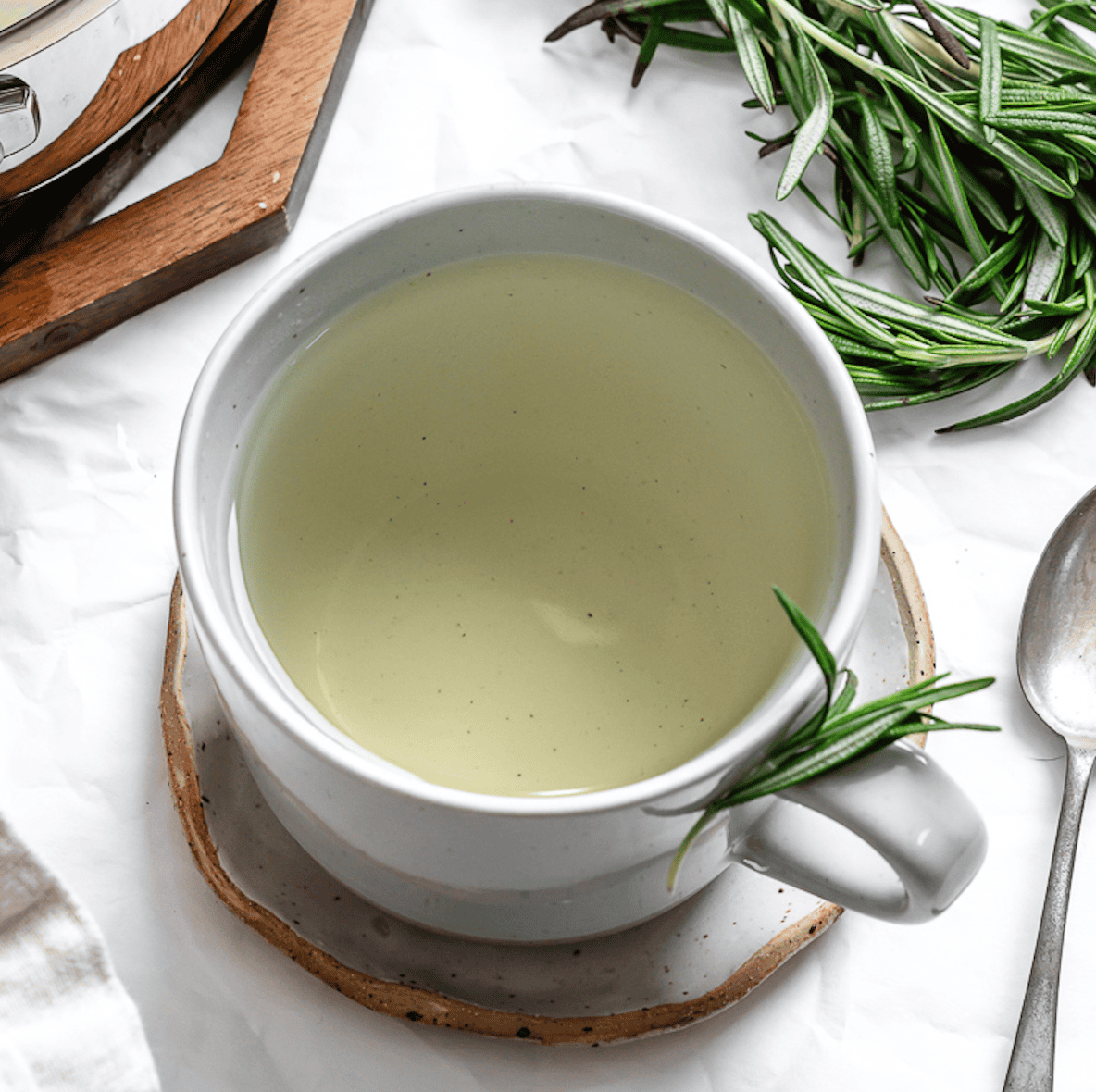
When life gets busy or stressful, many of us turn to a warm cup of tea to unwind. Rosemary Tea is a delightful option that not only offers a soothing aroma but also brings a unique flavor that can brighten up your day. The earthy notes of rosemary create a refreshing herbal infusion, making it perfect for moments when you need a little calm or clarity.
A common struggle with herbal teas is achieving the right balance of flavor without overpowering bitterness. This simple recipe ensures that you capture the aromatic essence of rosemary while keeping the taste pleasantly mild. It’s best served in the early afternoon or evening, providing a gentle lift without disrupting your sleep.
What’s even better is that making this tea is straightforward, and you can enjoy a cup in no time. Just follow the easy steps and savor the delightful experience.
Why You Should Make Rosemary Tea
• Rosemary tea can be prepared in under 15 minutes, making it a quick and easy option for your daily routine.
• The recipe is simple and requires minimal ingredients, making it accessible for all skill levels.
• This tea offers a unique, aromatic flavor that is both refreshing and invigorating.
• Rosemary tea is naturally caffeine-free, making it an excellent choice for a soothing evening beverage.
• The health benefits associated with rosemary may boost your mood and cognitive function, making this tea a smart choice for any time of day.
• Its herbal properties may complement various diets, including vegetarian and gluten-free plans.
• Everyone will love the distinct herbal aroma that fills the room while brewing rosemary tea.
Recipe Highlights
| Prep time | 5 minutes |
| Cook time | 10 minutes |
| Total time | 15 minutes |
| Servings | 2 |
| Calories per serving | 2 |
| Difficulty | Easy |
| Cuisine | Herbal |
| Course | Beverage |
| Diet tags | – |
| Best time to eat | Anytime |
| Main flavor notes | Herbaceous, earthy |
Ingredients
• 1 cup water
• 1 tablespoon fresh rosemary leaves or 1 teaspoon dried rosemary
• Optional
• Honey or sweetener to taste
Equipment Needed
– Teapot or saucepan
– Measuring cup
– Tea strainer
– Coffee mug or teacup
– Spoon
How to Make Rosemary Tea
1. Gather fresh rosemary leaves, about 2 tablespoons, or 1 tablespoon of dried rosemary. Fresh leaves should smell fragrant and slightly piney.
2. Rinse fresh rosemary under cold water to remove any dirt or contaminants. The leaves should look vibrant and green after rinsing.
3. Boil 2 cups of water in a small pot over medium heat. You’ll know the water is ready when it starts to bubble vigorously.
4. Once boiling, remove the pot from the heat and add the rosemary leaves. The steam should release a rich, earthy aroma.
5. Cover the pot and let the mixture steep for 5 to 10 minutes. For a milder flavor, steep for 5 minutes; for a stronger taste, let it sit for the full 10 minutes.
6. After steeping, strain the tea into a cup or teapot to remove the rosemary leaves. The liquid should be a light amber color.
7. If desired, add honey or lemon to taste. The sweetness of honey should balance the herbal flavor of the tea.
8. Serve the tea hot, or let it cool and chill it in the refrigerator for a refreshing iced version. Iced tea will have a delicate fragrance and a clean taste.
9. Enjoy your rosemary tea within 24 hours for optimal freshness. Store any leftovers in a sealed container to maintain flavor.
Tips for Perfecting Your Rosemary Tea
1. Use fresh rosemary for the best flavor; if using dried, reduce the amount by half as it is more concentrated.
2. Always rinse the rosemary leaves before brewing to remove any dust or impurities that may affect taste.
3. Bring water to a gentle boil before adding the rosemary; boiling too vigorously can lead to a bitter flavor.
4. Steep the rosemary for 5 to 10 minutes depending on how strong you want the flavor; test it along the way to avoid over-extraction.
5. Strain the tea thoroughly to ensure no bits of rosemary remain, as they can affect the drinking experience.
6. For a balanced flavor, add a touch of honey or lemon; start with a small amount and adjust to taste.
7. If you prefer a silkier texture, consider adding a splash of milk or a non-dairy alternative after brewing.
8. Experiment with additional herbs like mint or chamomile to enhance the complexity of the tea’s flavor profile.
Recipe Variations and Substitutions for Different Diets
. Use almond flour instead of all-purpose flour for gluten-free baking
. Substitute coconut milk for dairy milk to make the recipe dairy-free
. Replace butter with olive oil or vegan margarine for vegan cooking
. Choose nutritional yeast instead of cheese for a dairy-free flavor boost
. Use agave syrup or maple syrup in place of honey for vegan recipes
. Select gluten-free pasta or zucchini noodles for a gluten-free option
. Opt for chia seeds or flaxseeds mixed with water as an egg replacement for vegan dishes
. Utilize vegetable broth instead of chicken broth for a fully plant-based meal
Serving Ideas for Your Recipe
Serve your dish hot for the best flavor and texture, allowing the ingredients to truly shine. If it’s a pasta dish, a sprinkle of fresh herbs like basil or parsley right before serving adds a burst of freshness that elevates the meal.
For a cozy family dinner, accompany the dish with a simple side salad featuring mixed greens and a light vinaigrette. This will balance the richness of the main dish and add a refreshing crunch.
If your recipe includes a protein, consider pairing it with roasted seasonal vegetables. Carrots, zucchini, or bell peppers can complement the flavors perfectly while bringing color to your plate.
For a more elevated dining experience, serve your dish on a rustic wooden board or in individual cast-iron skillets. This adds charm and makes for an impressive presentation that’s sure to delight guests.
Storage and Reheating Instructions
To maintain the flavor and quality of your Rosemary Tea, follow these storage and reheating guidelines:
Fridge Storage
Allow the tea to cool to room temperature before transferring it to an airtight container. Store in the refrigerator for up to 5 days.
Freezer Storage
For longer storage, pour the cooled tea into ice cube trays or freeze in an airtight container. It can be kept in the freezer for up to 3 months. Once frozen, transfer cubes to a resealable freezer bag for more efficient storage.
Room Temperature Guidance
Rosemary Tea is best enjoyed fresh. If left at room temperature, consume within 2 hours to ensure safety.
Reheating Methods
To reheat from the fridge, pour the desired amount into a saucepan and warm on low heat, stirring occasionally to prevent scorching. For microwave reheating, use a microwave-safe container, cover it loosely, and heat in 30-second intervals until warm, stirring in between.
If reheating from the freezer, transfer the tea to the fridge a day before to thaw. Alternatively, you can reheat from frozen in a saucepan over low heat.
To avoid drying out or creating a soggy texture, consider adding a splash of water during reheating if the tea becomes too concentrated.
Nutrition Note on Rosemary Tea
Rosemary tea is a fragrant herbal infusion that offers a unique flavor profile and potential benefits. While specific calorie and macronutrient information for rosemary tea is not widely available, the primary ingredient, rosemary, is known for its aromatic compounds and antioxidants. Herbal teas like rosemary can serve as a low-calorie beverage choice, potentially aiding in hydration. Additionally, rosemary contains essential oils and phytonutrients, which may contribute to its distinct aroma and taste. Including herbal teas like rosemary in a balanced diet can enhance your culinary experience without adding significant calories, making it a delightful addition to your daily routine.
Frequently Asked Questions about Rosemary Tea
1. What can I use as a substitute for fresh rosemary in tea?
Dried rosemary can be used in a pinch, but reduce the amount to about one-third of what you would use for fresh. You may also consider other herbal teas like thyme or sage for a different flavor profile.
2. How should I store rosemary tea once it’s brewed?
Brewed rosemary tea can be stored in the refrigerator for up to three days in a sealed container. Make sure to cool the tea to room temperature before refrigerating.
3. What are common mistakes to avoid when making rosemary tea?
One common mistake is using too much rosemary, which can make the tea overly bitter. Another is brewing it for too long, as this can also lead to a strong, unpleasant flavor.
4. How long should I steep rosemary leaves for the best flavor?
Steeping fresh rosemary for about 5 to 10 minutes is ideal, while dried rosemary typically requires about 3 to 5 minutes. Taste the tea at different intervals to find your preferred strength.
5. What’s an appropriate serving size for rosemary tea?
A standard serving is usually 1 cup, using about 1 to 2 teaspoons of fresh rosemary or 1 teaspoon of dried rosemary. Adjust based on personal preference and taste.
6. Can I use rosemary tea in recipes or for cooking?
Yes, rosemary tea can be used as a flavorful broth in soups or sauces, or even as a base for marinades. Just be mindful of the strength of the tea and adjust other seasoning accordingly.
7. How do I enhance the flavor of rosemary tea?
Adding a slice of lemon, honey, or ginger can complement the herbal notes of rosemary. Experimenting with other herbs like mint can also create a refreshing twist.
8. Can I drink rosemary tea daily?
While rosemary tea is generally safe for most people, it’s best to consume it in moderation. Consult a healthcare professional if you have specific health conditions or are pregnant.
Rosemary Tea offers a delightful and aromatic experience that warms both the body and soul. Its unique flavor profile combines earthy and slightly piney notes, making it the perfect companion to cozy evenings or when you need a moment of relaxation during a busy day.
This tea is not only refreshing but also incredibly easy to prepare, allowing you to enjoy a soothing cup in minutes. Whether sipped while reading a book or served after a hearty meal, Rosemary Tea invites you to take a break and savor the simple pleasures of life.