
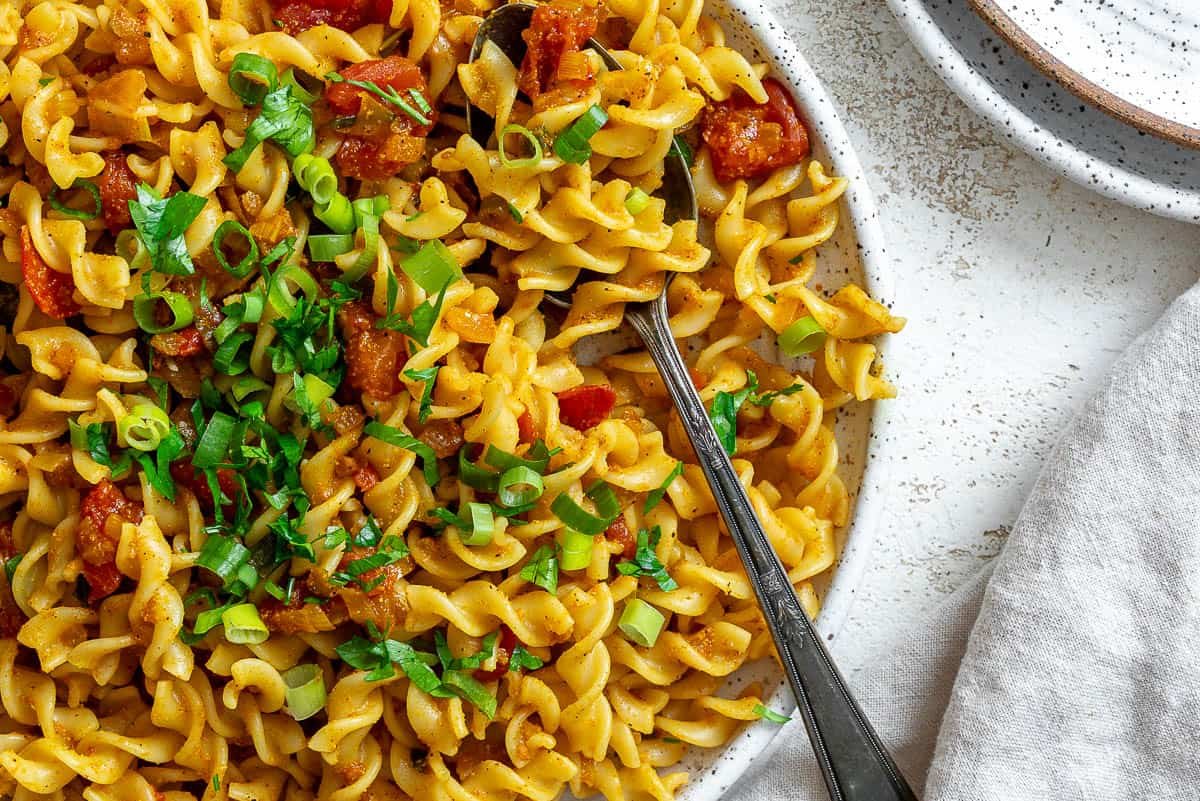
Have you ever found yourself craving the bold flavors of Indian cuisine but still wanted the comfort of a classic pasta dish? Tandoori Pasta brings that perfect blend together, offering a delightful twist that’s sure to impress everyone at your table. With spices that create a rich and vibrant taste, this dish is an exciting option for weeknight dinners or when entertaining guests.
Many people struggle with balancing the intensity of tandoori spices and the creaminess of pasta. This recipe simplifies the process, ensuring you get the best of both worlds without the fuss. The result is a dish that’s creamy, spicy, and utterly delicious, striking a balance that makes every bite satisfying.
You’ll find the steps easy to follow, making it accessible for cooks of all levels. Let’s dive into this flavorful fusion that everyone can enjoy!
Why You’ll Love Tandoori Pasta
• This vibrant dish combines the beloved flavors of traditional tandoori cuisine with the comfort of pasta.
• It can be prepared in under 30 minutes, making it perfect for weeknight dinners.
• The recipe is easy to follow, making it suitable for cooks of any skill level.
• Each bite is packed with a unique blend of spices, delivering an explosion of flavor to your palate.
• Tandoori Pasta is a great way to introduce your family to diverse ingredients without compromising on taste.
• It’s a vegetarian-friendly option that doesn’t sacrifice richness or enjoyment.
• The most compelling reason to try it is that it’s an unforgettable twist on familiar comfort food that will keep you craving more.
Recipe Highlights
| Prep time | 15 minutes |
| Cook time | 20 minutes |
| Total time | 35 minutes |
| Servings | 4 |
| Calories per serving | 350 |
| Difficulty | Easy |
| Cuisine | Indian |
| Course | Main |
| Diet tags | Vegetarian |
| Best time to eat | Dinner |
| Main flavor notes | Spicy, Smoky |
Ingredients
• 250 grams pasta (penne or fusilli)
• 200 grams tandoori chicken, cooked and shredded
• 1 cup yogurt
• 2 tablespoons tandoori masala
• 1 tablespoon olive oil
• 1 medium onion, chopped
• 2 cloves garlic, minced
• 1 tablespoon ginger, grated
• 1 cup bell peppers, diced
• Salt to taste
• Fresh cilantro for garnish
Optional
• 1 tablespoon lemon juice
• ½ cup cream
• Red chili flakes to taste
Equipment Needed
– Large pot
– Colander
– Mixing bowl
– Baking sheet
– Spatula
– Whisk
– Measuring cups
– Knife
How to Make It
1. Begin by boiling 250 grams of pasta in salted water until al dente, usually around 8 to 10 minutes, then drain and rinse under cold water to stop the cooking process.
2. In a large mixing bowl, combine 1 cup of plain yogurt with 2 tablespoons of tandoori masala, stirring well until the mixture is a vibrant orange and the spices are fully blended.
3. Add in the cooled pasta and gently fold until every piece is coated with the tandoori yogurt mixture, ensuring the pasta has a uniform color.
4. Chop 1 cup of fresh vegetables such as bell peppers, carrots, and red onions into bite-sized pieces, then add them to the pasta, contributing a crunch and vibrant colors.
5. Stir in 1 tablespoon of lemon juice for acidity, which will enhance the flavor profile and balance the spices in the dish.
6. For added texture and taste, fold in a handful of fresh cilantro, mixing until evenly distributed throughout the pasta.
7. Cover the bowl with plastic wrap or a lid and refrigerate for at least 30 minutes to allow the flavors to meld and the pasta to chill.
8. Before serving, taste and adjust seasoning with salt and additional lemon juice if necessary to ensure a balanced flavor.
9. Transfer the tandoori pasta to a serving dish, and garnish with additional cilantro and a sprinkle of tandoori masala for a vibrant presentation.
10. Serve cold or at room temperature, ensuring that any leftovers are stored in the refrigerator within two hours to maintain food safety.
11. For any leftovers, consume within 3 days, reheating only if necessary, and ensure that they reach an internal temperature of 165°F if reheated.
Tips for Perfecting Tandoori Pasta
1. Use a high-quality tandoori spice blend to ensure a rich and authentic flavor. Be cautious with the quantity; start with one tablespoon and adjust to your taste.
2. For the ideal texture, cook the pasta until it’s al dente. This prevents it from becoming mushy once mixed with the sauce.
3. Marinate the protein, whether chicken or tofu, in the tandoori spices for at least 30 minutes. This enhances the flavor penetration and improves overall taste.
4. Incorporate yogurt into your sauce for creaminess. Use plain Greek yogurt to maintain the dish’s richness without overpowering the other flavors.
5. Add vegetables like bell peppers or spinach towards the end of cooking to retain their crunch and color, adding both texture and nutritional value.
6. Use fresh cilantro as a garnish to bring brightness and a fresh herbaceous note that balances the spices in the dish.
7. Taste and adjust seasoning as you go. A splash of lemon juice can brighten the entire dish and balance the spices effectively.
8. Cook the pasta in well-salted water; this infuses flavor right into the pasta and enhances the overall depth of the dish.
Dietary Variations and Substitutions
• For a gluten-free option, use almond flour or gluten-free all-purpose flour instead of regular flour.
• To make it vegan, substitute eggs with flaxseed meal mixed with water or applesauce.
• For a dairy-free version, replace yogurt or sour cream with coconut yogurt or blended silken tofu.
• If you want it lower in sugar, use mashed bananas or unsweetened applesauce instead of sugar.
• To add protein, include chia seeds or hemp seeds as a topping or mix-in.
• For a nut-free approach, use sunflower seed butter instead of almond or peanut butter.
• If you’re looking for a lower-carb option, swap out grains for cauliflower rice or zucchini noodles.
• For an extra boost of flavor, consider adding fresh herbs or spices that align with your dietary needs.
Serving Ideas for a Wholesome Pasta Primavera
Pasta primavera is best served freshly made, right after cooking, to enjoy the vibrant colors and crisp textures of the vegetables. This dish shines during spring and summer when vegetables are at their peak freshness.
For a delightful presentation, consider using a large, shallow bowl. This style allows the colorful pasta and vegetables to be the star of the show. A garnish of freshly grated Parmesan and a sprinkle of herbs can elevate the dish beautifully.
Pair this pasta with a light, garden salad featuring arugula, cherry tomatoes, and a lemon vinaigrette. The freshness of the salad complements the flavors in the primavera while offering a refreshing crunch.
For drinks, a chilled glass of sparkling water with a lemon wedge or a crisp white wine, like Sauvignon Blanc, enhances the dish without overpowering it. This combination makes it an excellent choice for a warm evening meal.
Lastly, serve your pasta primavera with a side of crusty garlic bread for a satisfying and hearty accompaniment. The bread is perfect for scooping up any remaining sauce, making every bite enjoyable.
Storage and Reheating Instructions
To maintain the freshness and quality of your Tandoori Pasta, follow these storage and reheating guidelines:
Refrigeration:
Store the Tandoori Pasta in an airtight container in the refrigerator for up to 3 days. Allow the pasta to cool completely before sealing to prevent condensation.
Freezing:
For longer storage, Tandoori Pasta can be frozen for up to 2 months. Portion it into individual servings to make reheating easier. Use freezer-safe containers or bags, removing as much air as possible.
Room Temperature:
Tandoori Pasta should not be left at room temperature for more than 2 hours to avoid food safety risks.
Reheating Methods:
-
Microwave:
Place the pasta in a microwave-safe dish and add a splash of water or olive oil to prevent it from drying out. Cover the dish loosely with a microwave-safe lid or wrap. Heat on medium power in 1-minute increments, stirring in between, until heated through. -
Stovetop:
In a skillet, add the Tandoori Pasta along with a few teaspoons of water or a drizzle of olive oil. Heat over medium-low heat, stirring frequently to prevent sticking and ensure even warming. This method helps retain the original texture. -
Oven:
Preheat the oven to 350°F (175°C). Place the pasta in an oven-safe dish, adding a bit of water or olive oil to keep it moist. Cover with aluminum foil and heat for about 15 to 20 minutes, removing the foil for the last 5 minutes to crisp up the top.
Always ensure the pasta reaches an internal temperature of 165°F (74°C) before serving.
Nutritional Overview of Tandoori Pasta
Tandoori Pasta combines the flavors of traditional Tandoori spices with the comforting texture of pasta. While exact calorie and macro data may not be available, this dish often includes ingredients that provide a range of nutrients. The pasta serves as a source of carbohydrates for energy, while the tandoori spices may offer antioxidants, attributed to their vibrant colors. If protein-rich ingredients like chicken or chickpeas are included, they contribute to supporting muscle health. Additionally, vegetables can provide fiber, helping with digestion. Overall, Tandoori Pasta can be a flavorful option when balanced with fresh and wholesome ingredients. Enjoy it as part of a varied diet.
FAQ for Tandoori Pasta
1. Can I substitute the pasta for a gluten-free option?
Yes, you can use gluten-free pasta such as brown rice or chickpea pasta, adjusting cooking times according to package instructions.
2. How should I store leftover Tandoori Pasta?
Store leftovers in an airtight container in the refrigerator for up to three days. Reheat in a skillet or microwave, adding a splash of water to maintain moisture.
3. What are common mistakes when making Tandoori Pasta?
One common mistake is overcooking the pasta, which can make it mushy. Ensure you cook it al dente and mix it gently with the sauce.
4. How long does it take to prepare Tandoori Pasta?
The preparation time is typically around 15 minutes, with an additional 20 minutes for cooking, making it a quick meal option.
5. What can I serve with Tandoori Pasta?
It pairs well with a side salad or naan to complement the flavors. You could also add grilled vegetables or chicken for extra protein.
6. How much Tandoori Pasta should I make for a group?
A standard serving is about 2 cups of cooked pasta per person. For a gathering, plan on 1 pound of dry pasta for every 4 to 6 people.
7. Can I use a different protein in the Tandoori Pasta?
Absolutely, chicken, shrimp, or paneer can be excellent alternatives. Just make sure to adjust the cooking times accordingly.
8. What if I want it spicier?
To enhance the spice level, you can add extra tandoori masala or include fresh chopped green chilies during cooking. Adjust to your heat preference.
Tandoori Pasta is a delightful fusion dish that brings the bold flavors of Indian cuisine to your favorite Italian staple. The creamy tandoori sauce combined with perfectly cooked pasta offers a unique taste experience that is both comforting and exciting. This dish is not only delicious but also incredibly simple to prepare, making it a great option for both weeknight dinners and casual gatherings.
When you want to impress your family or friends with something different, Tandoori Pasta is the perfect choice. Its vibrant colors and fragrant spices will have everyone coming back for seconds, turning a typical meal into an unforgettable occasion.