
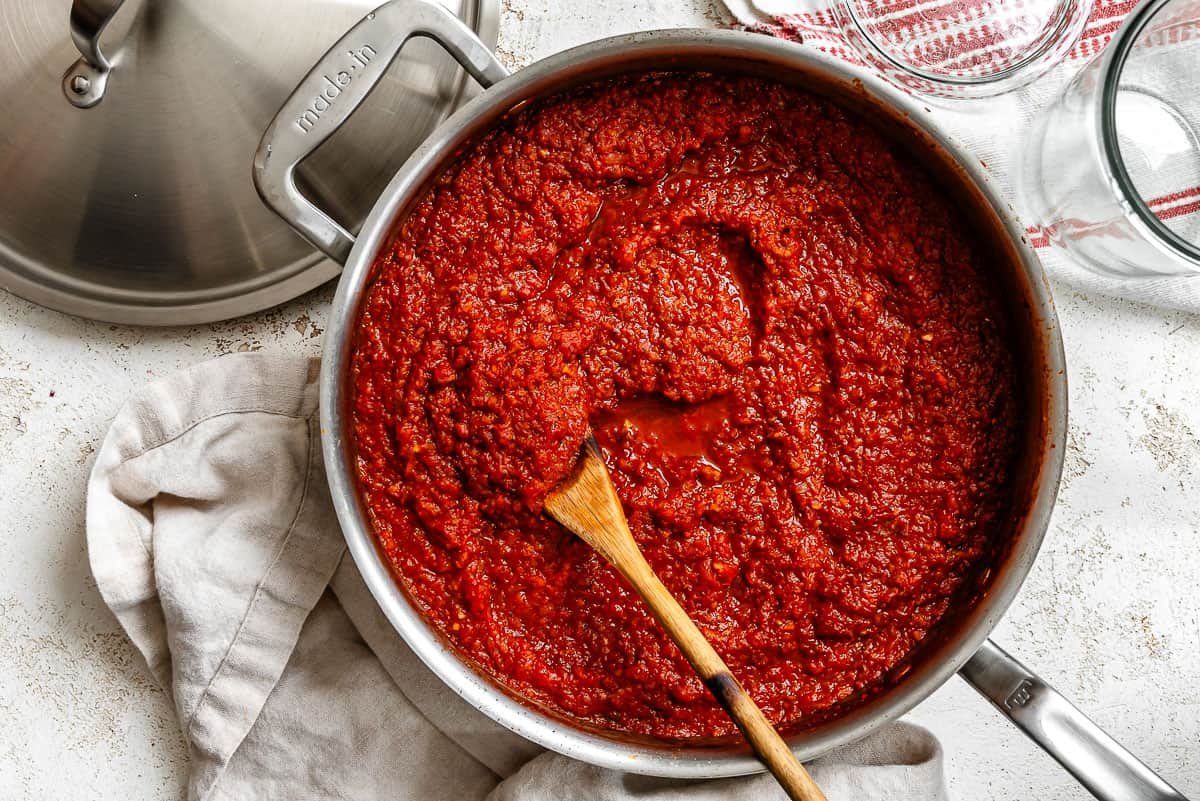
If you’re like many home cooks, you know the joy of a comforting bowl of spaghetti. Vegan Spaghetti Sauce offers the perfect solution for creating a rich, satisfying meal that’s both hearty and plant-based. This recipe blends fresh ingredients for a vibrant flavor, making it ideal for cozy family dinners or a casual night in.
It can be frustrating to find a meatless sauce that doesn’t feel like it’s missing something. This version packs a punch with spices and herbs that give it depth and warmth, ensuring no one will miss the meat. Plus, it’s easy to whip up in under 30 minutes, allowing you to enjoy a delightful home-cooked meal without the fuss.
With simple steps to follow, you’ll have a delicious sauce simmering on the stove in no time. Dive into this easy recipe and embrace the flavors of vegan cooking!
Why You’ll Love This Vegan Spaghetti Sauce
• This recipe is ready in just 30 minutes for a quick and satisfying meal.
• It’s easy to make, perfect for both novice and experienced cooks.
• The flavor is rich and robust, bringing a delightful twist to traditional spaghetti.
• Packed with fresh vegetables, it supports a healthy and wholesome diet.
• This sauce is versatile, great for pasta, pizza, or as a dipping sauce.
• It’s a crowd-pleaser that will impress both vegans and non-vegans alike.
Recipe Highlights
| Prep time | 10 mins |
| Cook time | 30 mins |
| Total time | 40 mins |
| Servings | 4 |
| Calories per serving | 150 |
| Difficulty | Easy |
| Cuisine | Italian |
| Course | Main |
| Diet tags | Vegan, Gluten-Free |
| Best time to eat | Dinner |
| Main flavor notes | Tomato, Garlic, Herbs |
Ingredients
Ingredients
. 2 tablespoons olive oil
. 1 medium onion, diced
. 3 cloves garlic, minced
. 1 carrot, finely chopped
. 1 bell pepper, diced
. 1 can (28 ounces) crushed tomatoes
. 2 tablespoons tomato paste
. 1 teaspoon dried oregano
. 1 teaspoon dried basil
. 1/2 teaspoon red pepper flakes
. Salt and pepper to taste
. 1 cup vegetable broth
Optional
. 1 teaspoon sugar
. Fresh basil for garnish
. Nutritional yeast for a cheesy flavor
Equipment Needed
– Large pot
– Wooden spoon
– Cutting board
– Chef’s knife
– Measuring cups
– Can opener
– Blender or food processor
How to Make It
1. Begin by heating a large saucepan over medium heat. Add two tablespoons of olive oil and let it shimmer, which should take about 1 minute.
2. Add one chopped onion and sauté it for 5 to 7 minutes until it’s translucent and fragrant, stirring occasionally to avoid burning.
3. Incorporate three cloves of minced garlic and cook for an additional 1 to 2 minutes until the mixture is aromatic, making sure the garlic does not brown.
4. Stir in one diced bell pepper, cooking for another 3 to 5 minutes until it softens and brightens in color.
5. Add one can of crushed tomatoes along with one tablespoon of tomato paste, mixing well to combine. The sauce should begin to thicken slightly as you stir.
6. Season the sauce with one teaspoon of dried oregano, one teaspoon of dried basil, and a pinch of salt and pepper to taste. Stir until the spices are evenly distributed and the sauce is vibrant.
7. Allow the sauce to simmer on low heat for 20 to 30 minutes, stirring occasionally. The mixture should bubble gently and develop a rich aroma.
8. Taste the sauce towards the end of the cooking time and adjust the seasoning as necessary, adding more herbs or salt if desired.
9. If you prefer a smoother texture, consider blending the sauce using an immersion blender until it reaches your desired consistency.
10. Once done, remove the saucepan from heat and let it cool slightly before serving over your favorite pasta.
11. To enhance the flavors, let the sauce sit for at least 10 minutes before serving, as this allows the ingredients to meld together.
12. Store any leftovers in an airtight container in the refrigerator for up to 5 days, or freeze for up to 3 months for future meals.
Tips for Perfect Vegan Spaghetti Sauce
1. Use ripe, in-season tomatoes for the best flavor. If fresh tomatoes are not available, opt for high-quality canned San Marzano tomatoes.
2. Sauté your onions and garlic until they are soft and slightly caramelized. This adds depth to the sauce and enhances the overall flavor.
3. Simmer the sauce slowly for at least 30 minutes to let the flavors meld. Stir occasionally to prevent sticking.
4. For a thicker texture, add a tablespoon of tomato paste towards the end of cooking. This will help to enhance both the richness and thickness.
5. Incorporate a splash of balsamic vinegar or a pinch of sugar if the sauce tastes too acidic. This will help balance the flavors.
6. Taste your sauce toward the end of cooking. Adjust the salt and add fresh herbs like basil or oregano for brightness right before serving.
7. Blend a portion of the sauce for a smoother texture, especially if you’re trying to hide vegetables from picky eaters.
8. Finish with a drizzle of high-quality olive oil to add richness and a touch of flavor just before serving.
Ingredient Variations and Substitutions
• For a gluten-free option, use almond flour or chickpea flour instead of regular flour
• Substitute almond milk or oat milk for dairy milk to make the recipe dairy-free
• Swap butter for coconut oil or vegan butter for a dairy-free alternative
• Use maple syrup or agave nectar in place of honey for a vegan-friendly sweetener
• Replace eggs with flaxseed meal mixed with water or a banana for a vegan option
• For a nut-free version, use sunflower seed butter instead of nut butter
• Choose quinoa or rice noodles instead of wheat pasta for a gluten-free pasta dish
• Use nutritional yeast in place of cheese for a vegan cheesy flavor
Serving Ideas for Your Dish
This recipe is best served warm, allowing the flavors to meld beautifully. For a comforting meal, consider plating it alongside a simple green salad dressed with a light vinaigrette to enhance the freshness of the dish.
Pair this meal with crusty artisan bread, perfect for soaking up any remaining sauce or juices. The bread will add a delightful textural contrast to the meal, making each bite satisfying.
If you’re looking for a balanced side, roasted seasonal vegetables can enhance the overall flavor profile. The caramelization of the veggies will complement the main dish while adding a touch of sweetness.
For an elevated dining experience, consider a light, herby couscous on the side. This will add a nice contrast in flavor and serve as a great base to absorb the juices from your dish.
Finally, finish the meal with a soft cheese platter featuring cheeses like brie or goat cheese, which pair well with the main flavors. This not only offers a delightful end to the meal but also encourages guests to linger and enjoy a moment of relaxation.
Storage and Reheating Instructions
To maintain the best quality and flavor of your Vegan Spaghetti Sauce, follow these storage and reheating guidelines:
Fridge Storage
Store your Vegan Spaghetti Sauce in an airtight container in the refrigerator. It can be kept for up to 5 days. Allow the sauce to cool completely before placing it in the refrigerator to prevent condensation.
Freezer Storage
For longer storage, freeze the sauce in an airtight container or freezer-safe bag. It can be frozen for up to 3 months. To prevent freezer burn, remove as much air as possible from the container or bag before sealing.
Room Temperature
Vegan Spaghetti Sauce should not be kept at room temperature for more than 2 hours. If left out longer, discard it to ensure food safety.
Reheating Instructions
To reheat from the refrigerator, transfer the desired amount of sauce to a saucepan and warm it over medium heat. Stir occasionally to prevent sticking and ensure even heating. To avoid a dried-out texture, consider adding a small splash of water or vegetable broth during reheating.
If reheating from frozen, thaw the sauce in the refrigerator overnight for best results. Reheat it on the stove as described above or you can use the microwave. When using the microwave, place the sauce in a microwave-safe container, cover it loosely, and heat in 1-minute intervals, stirring in between, until heated through.
For both reheating methods, stop heating once the sauce is hot throughout to maintain the best flavor and texture.
Nutritional Overview of Vegan Spaghetti Sauce
Vegan Spaghetti Sauce typically features a blend of ingredients like tomatoes, garlic, onions, and a variety of herbs and spices. This combination can be rich in essential vitamins and minerals, particularly vitamin C and potassium from the tomatoes. The use of vegetables contributes dietary fiber, which is important for digestive health. If legumes or nuts are included, they can add protein and healthy fats, enhancing the overall nutritional value. Overall, Vegan Spaghetti Sauce provides a flavorful way to incorporate plant-based ingredients into your diet, making it a potential choice for those seeking to enjoy wholesome and nutritious meals.
FAQ for Vegan Spaghetti Sauce
What can I substitute for canned tomatoes in the sauce?
You can use fresh tomatoes instead of canned ones. Just make sure to peel and chop them, and you may need to cook them longer.
How long can I store leftover vegan spaghetti sauce?
Leftover sauce can be stored in an airtight container in the refrigerator for up to five days. For longer storage, consider freezing it for up to three months.
What are common mistakes to avoid while making vegan spaghetti sauce?
Overcooking the vegetables can lead to mushy textures, and not seasoning the sauce adequately can result in bland flavors. Taste and adjust seasonings as you go.
How long should I simmer the sauce?
A simmering time of at least 30 minutes allows flavors to meld, but longer cooking can enhance the taste. You can simmer for up to an hour if time permits.
What is the recommended serving size for vegan spaghetti sauce?
A typical serving size is about one cup of sauce per person. Adjust based on the appetite of your guests or family.
Can I use other types of vegetables in the sauce?
Absolutely, feel free to include vegetables like zucchini, bell peppers, or mushrooms. Just chop them into smaller pieces to ensure even cooking.
Is it necessary to add sugar to the sauce?
Adding sugar is optional and depends on the acidity of the tomatoes. Taste the sauce first, and if it’s too tangy, a small amount of sugar can help balance it out.
There’s something wonderfully satisfying about a comforting bowl of Vegan Spaghetti Sauce. With its rich flavors and simple ingredients, this sauce brings a taste of Italy to your kitchen without any fuss. You can whip it up in just one pot, making for an easy weeknight dinner that the whole family will love.
Perfect for a cozy dinner at home or a gathering with friends, this sauce pairs beautifully with your favorite pasta or as a base for other dishes. Once you’ve tried it, you’ll find yourself returning to this recipe time and again, celebrating the deliciousness of vegan cooking.