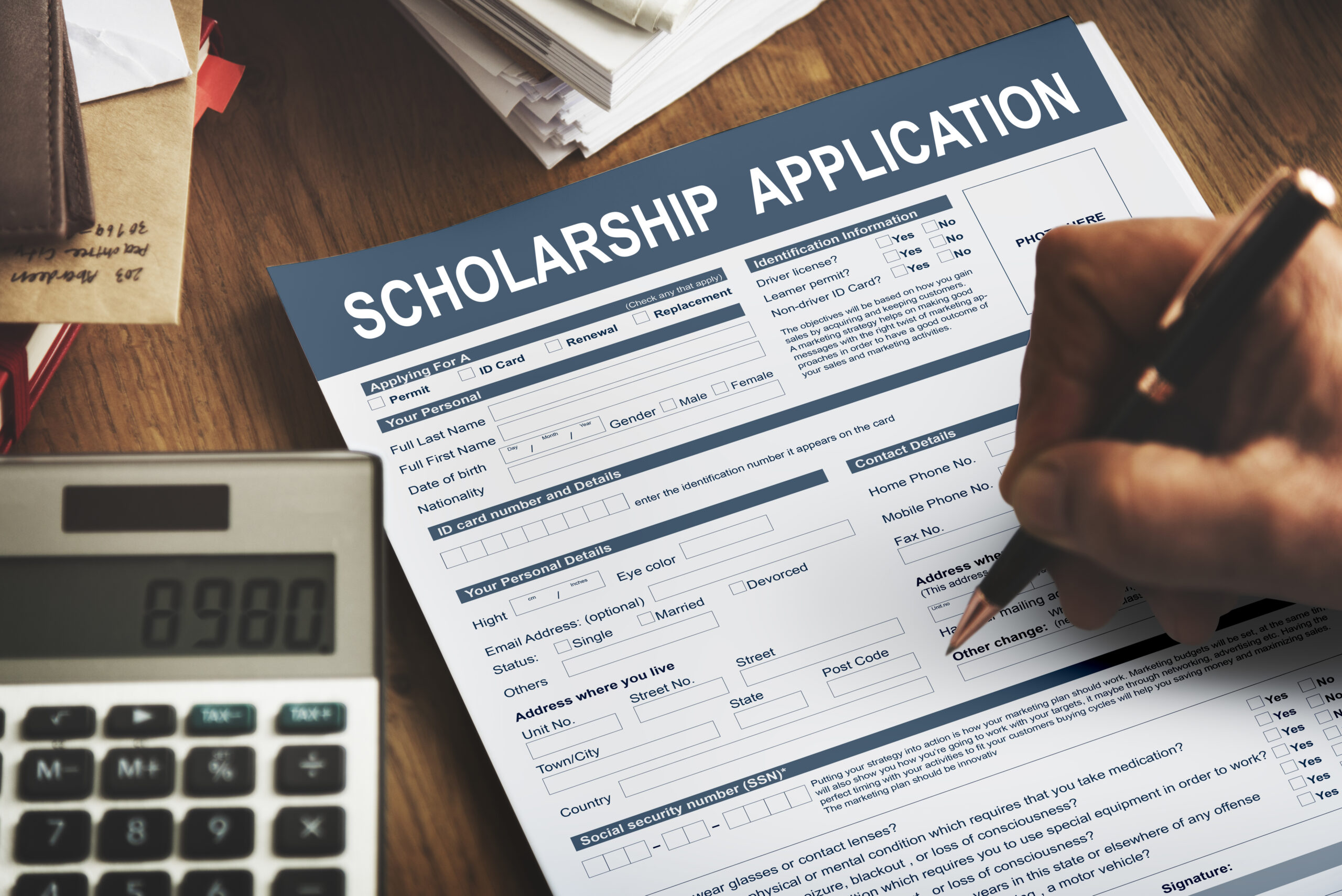
Winning Scholarships Is About Strategy
Many students apply. Few get selected.
Why?
Because scholarship committees look beyond grades.
They want:
- Leadership
- Vision
- Impact
- Write a Powerful Personal Statement
Focus on:
- Your background
- Career goals
- Why this scholarship matters
Avoid generic writing.
Bad:
- “I want to study abroad.”
Better:
- “I aim to improve agricultural innovation in West Africa.”
- Build Leadership Experience
Leadership doesn’t mean being famous.
Examples:
- Running campus projects
- Volunteering
- Starting initiatives
- Secure Strong Recommendation Letters
Choose recommenders who can speak on:
- Character
- Academic excellence
- Leadership potential
- Prepare Documents Early
Common requirements:
- CV
- Passport
- Transcript
- Statement of purpose
- References
Common Scholarship Mistakes
Avoid:
- Missing deadlines
- Weak essays
- Copy-paste applications
Your Scholarship Timeline for 2026
A winning scholarship application starts months in advance.
Phase 1: Research (Now – August 2025)
Create your scholarship shortlist.
Include:
- Eligibility
- Deadline
- Requirements
Phase 2: Document Preparation
Gather:
- Passport
- Academic transcript
- CV
- References
Phase 3: Applications (September – December 2025)
Submit applications strategically.
Don’t wait until the last week.
Phase 4: Interviews (January – April 2026)
Prepare answers for:
- Why this scholarship?
- Career goals
- Leadership examples
Final Advice
The biggest scholarship mistake is waiting too long.
Start now.
One successful application can completely transform your life.